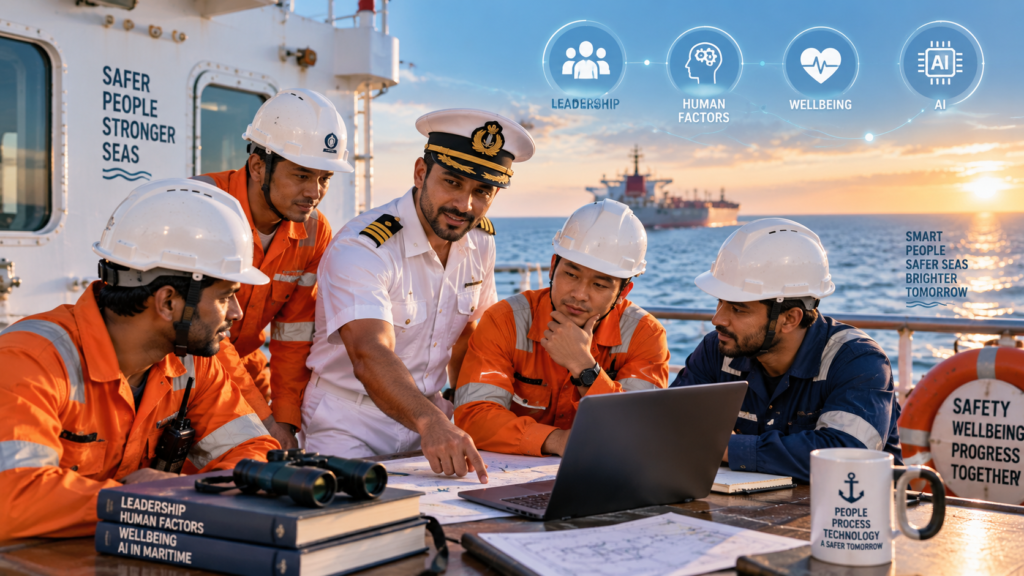
Future of Maritime Training: Leadership, Human Factors, Wellbeing and AI
The maritime industry is undergoing a major transformation. Advances in technology, evolving operational demands, and greater awareness of human performance


The maritime industry is undergoing a major transformation. Advances in technology, evolving operational demands, and greater awareness of human performance
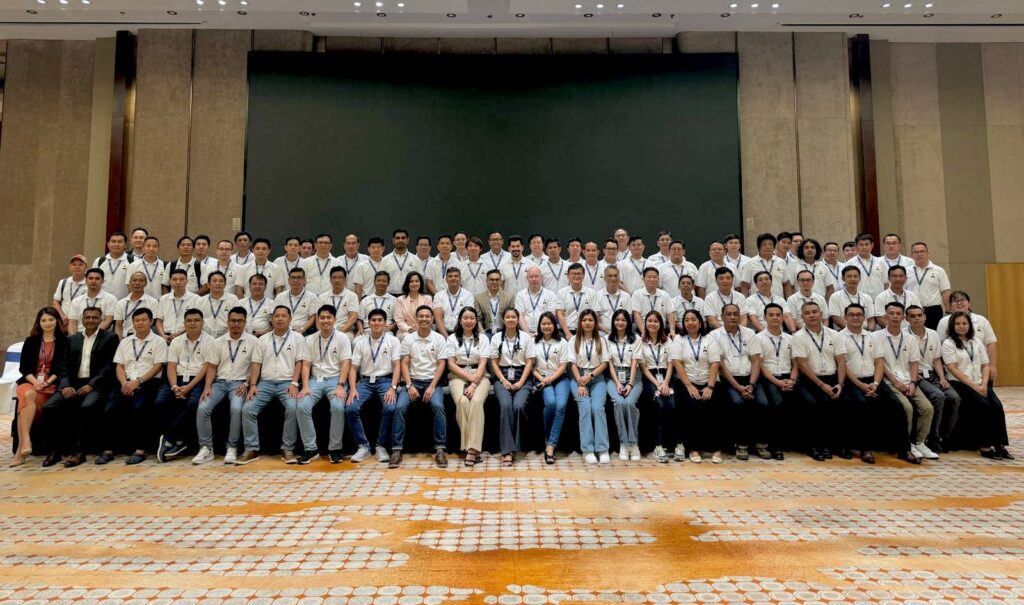
The maritime industry has traditionally placed strong emphasis on technical knowledge, certifications, safety procedures, and operational competence. However, technical expertise
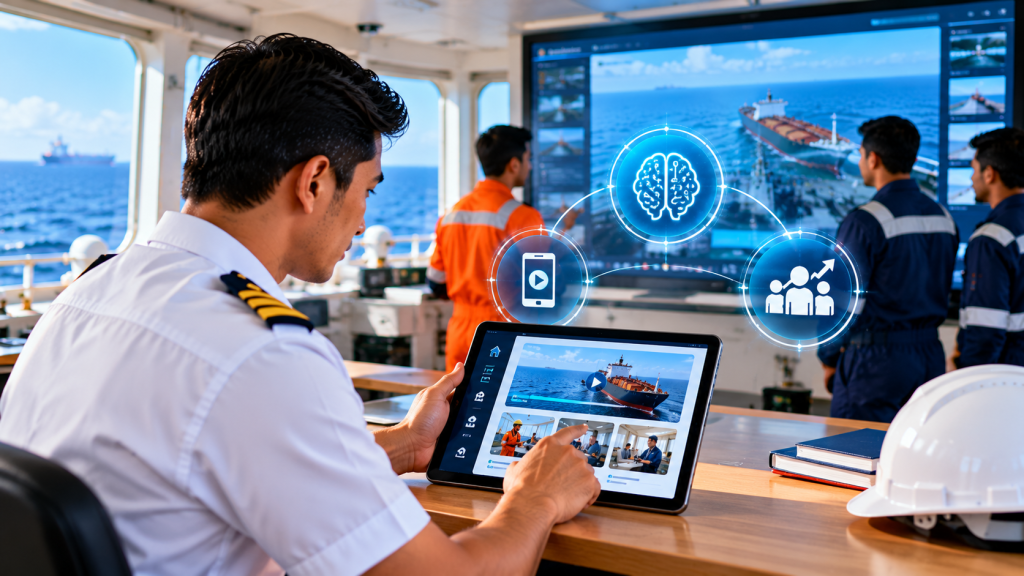
The maritime industry is evolving rapidly, and training methods must evolve with it. Seafarers and maritime professionals now need more
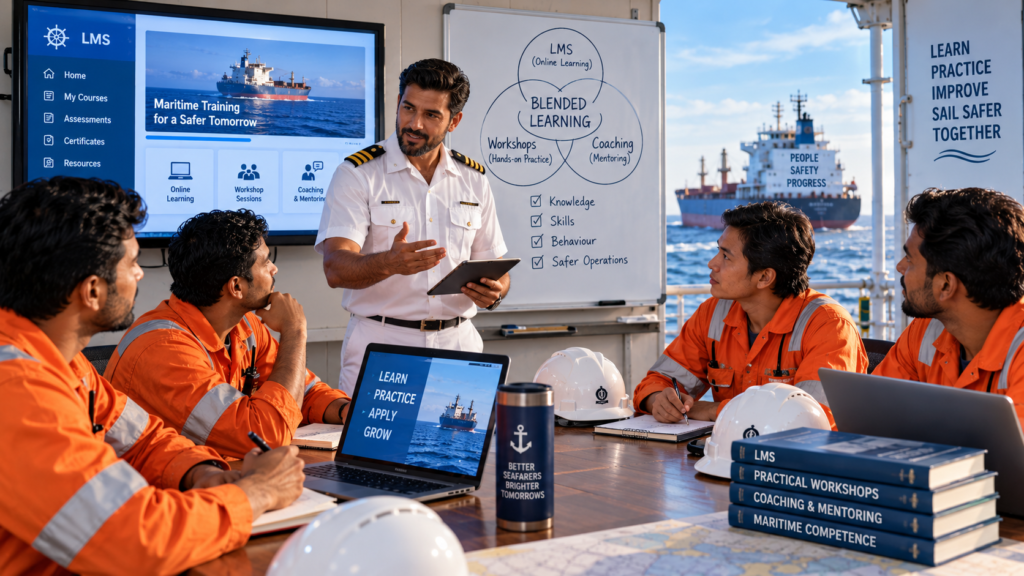
The maritime industry is constantly evolving. New technologies, changing regulations, complex operations, and increasing safety expectations require seafarers and maritime
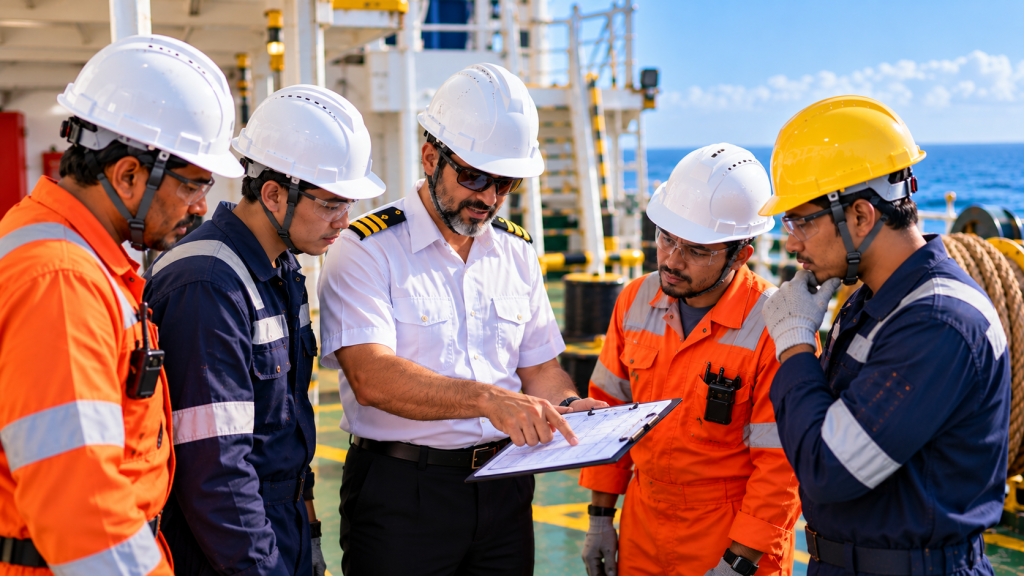
Maritime operations depend on more than technical knowledge and professional qualifications. Effective communication, leadership, teamwork, decision-making, situational awareness, and adaptability
The maritime industry depends on skilled, competent, and well-prepared professionals to maintain safe and efficient operations. With changing regulations, advanced
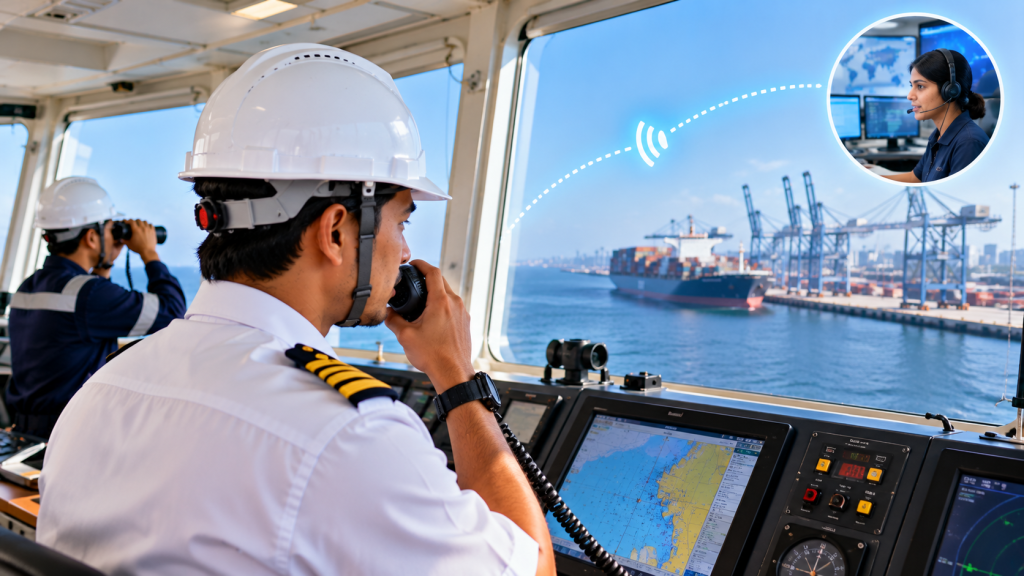
Effective Ship-to-Shore Communication is essential for safe, efficient, and reliable maritime operations. A vessel may be thousands of miles away
The maritime industry depends on effective teamwork. Ships operate across different locations and time zones, while shore-based teams manage planning,
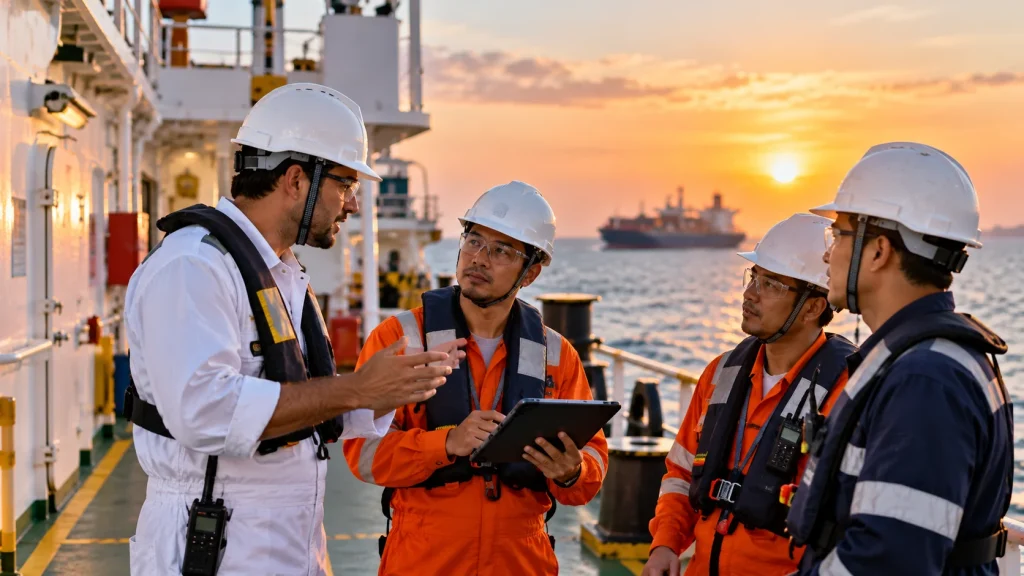
The shipping industry depends on strong leadership to maintain safety, operational efficiency, teamwork, and crew performance. Seafarers and maritime professionals
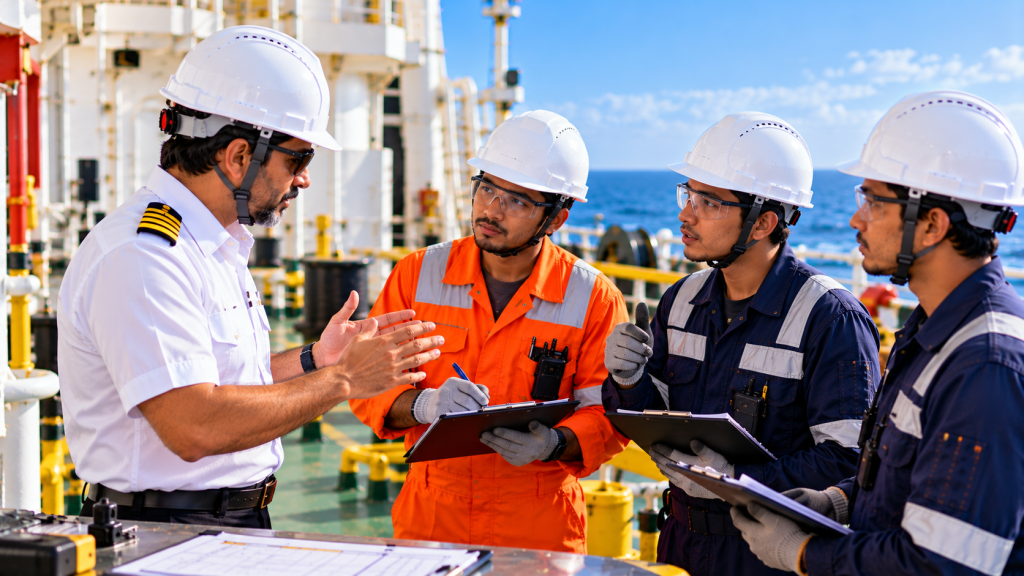
Effective communication is one of the most important elements of safe maritime operations. On board a vessel, crew members need