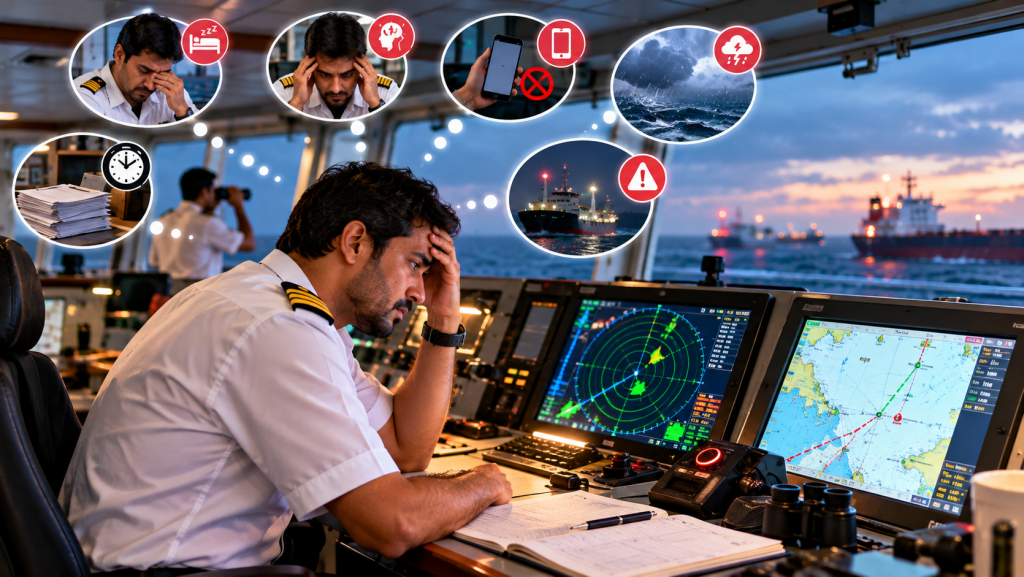
Situational Awareness at Sea: How Officers Lose It
Situational awareness has three levels and fails differently at each. Why officers lose it without noticing, and the habits that restore it on watch.


Human factors, behaviour based safety, psychological safety and safety culture for maritime crews.
Situational awareness has three levels and fails differently at each. Why officers lose it without noticing, and the habits that restore it on watch.
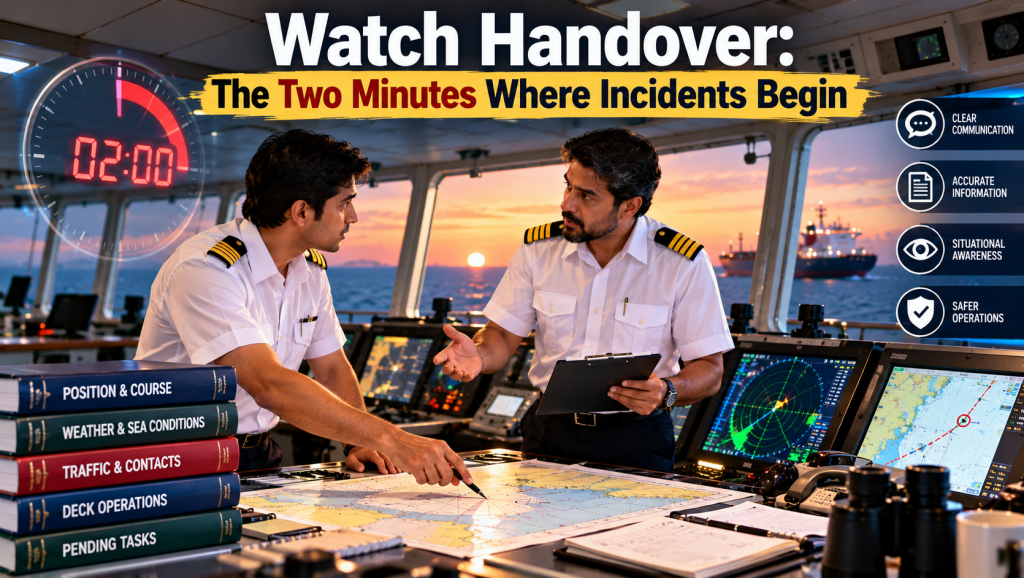
Watch handovers are brief, frequent and rarely audited, which is why incidents cluster there. What a complete handover contains and how to assess it.
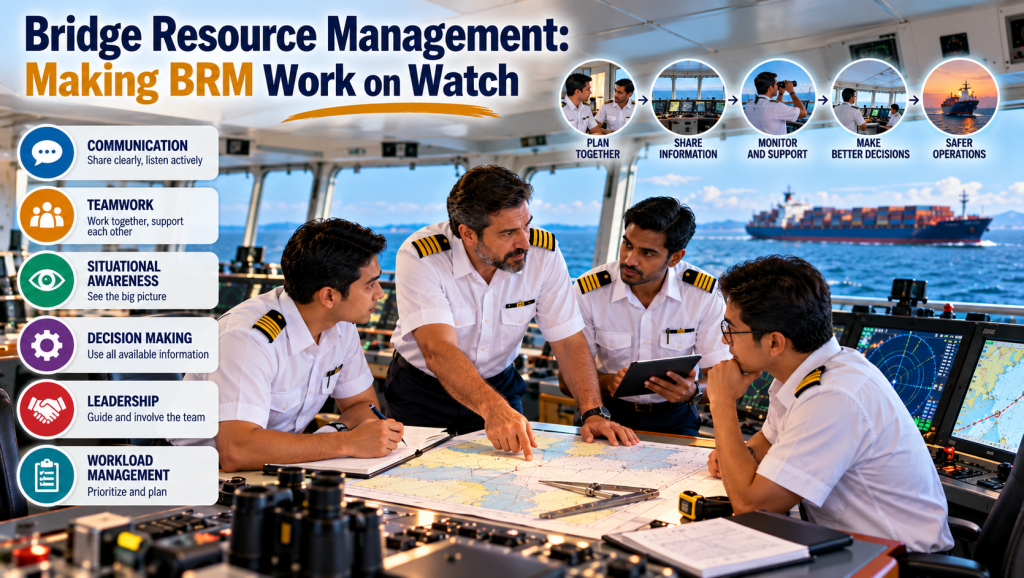
Bridge Resource Management turns a bridge team into one system. The behaviours behind effective BRM, why strong teams still fail, and how to make it stick.
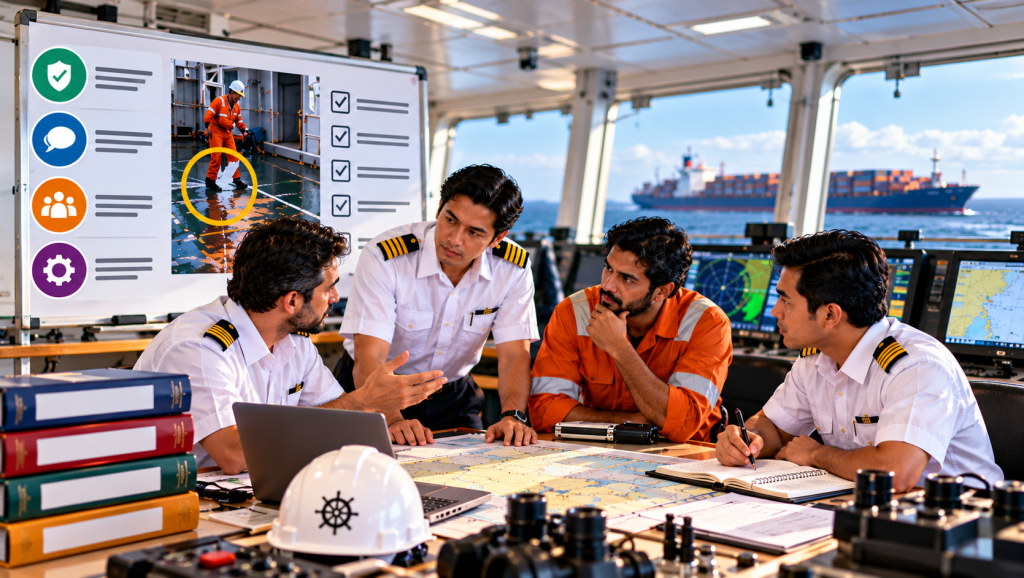
A just culture lets crews report near misses without fear while keeping real accountability. How shipping companies build one, and how to measure it.
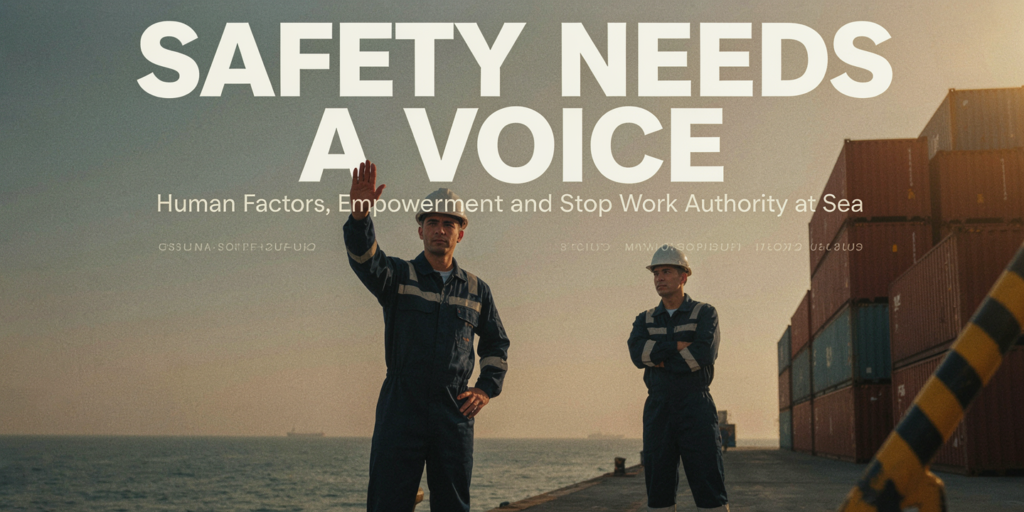
A Note from the Editor There are moments at sea when safety depends on something very simple: someone being willing
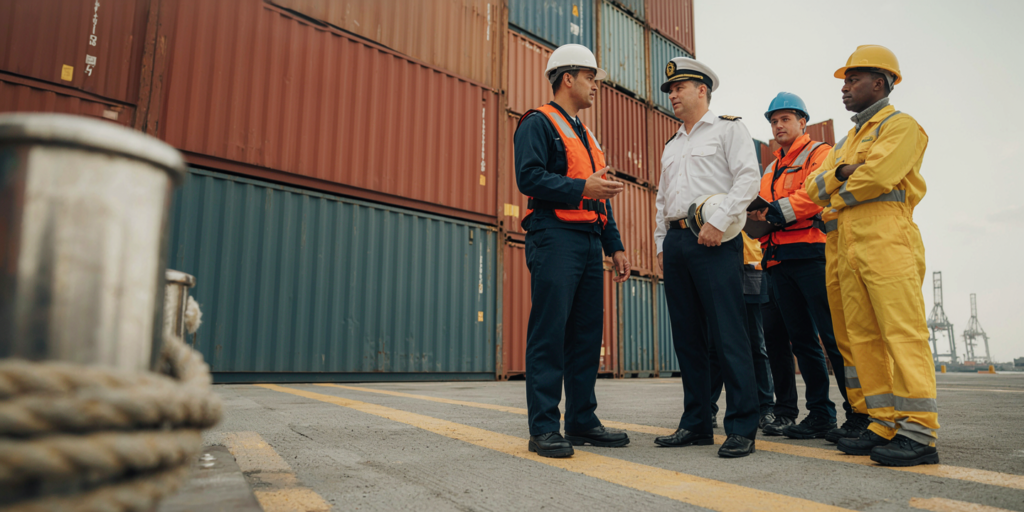
The maritime industry depends on effective communication, teamwork, and strong safety practices. Seafarers work in complex environments where decisions often
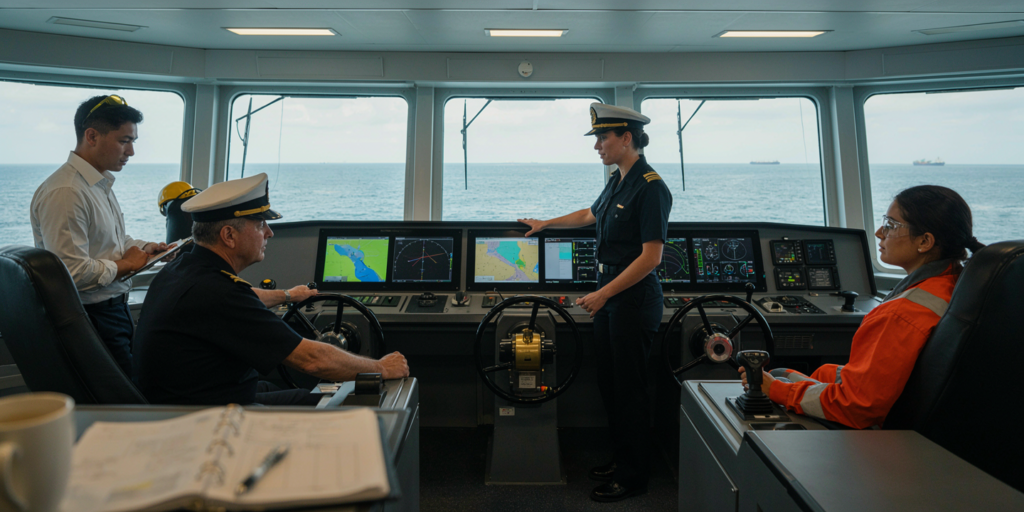
Modern maritime operations depend on effective teamwork, clear communication, sound decision-making, and strong situational awareness. A vessel may have highly
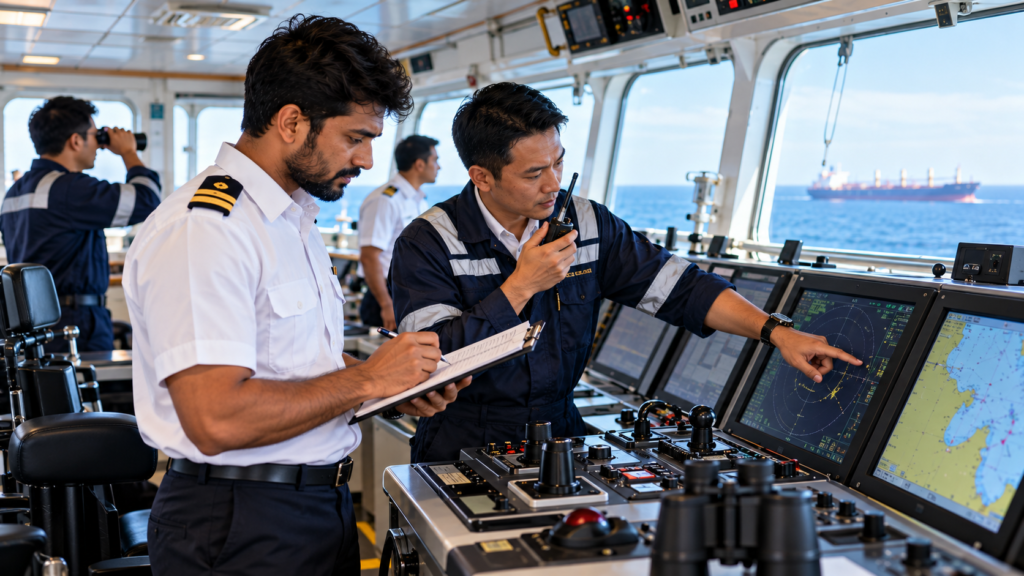
Human error is an important consideration in maritime operations. Ships operate in complex environments where seafarers must make decisions, communicate
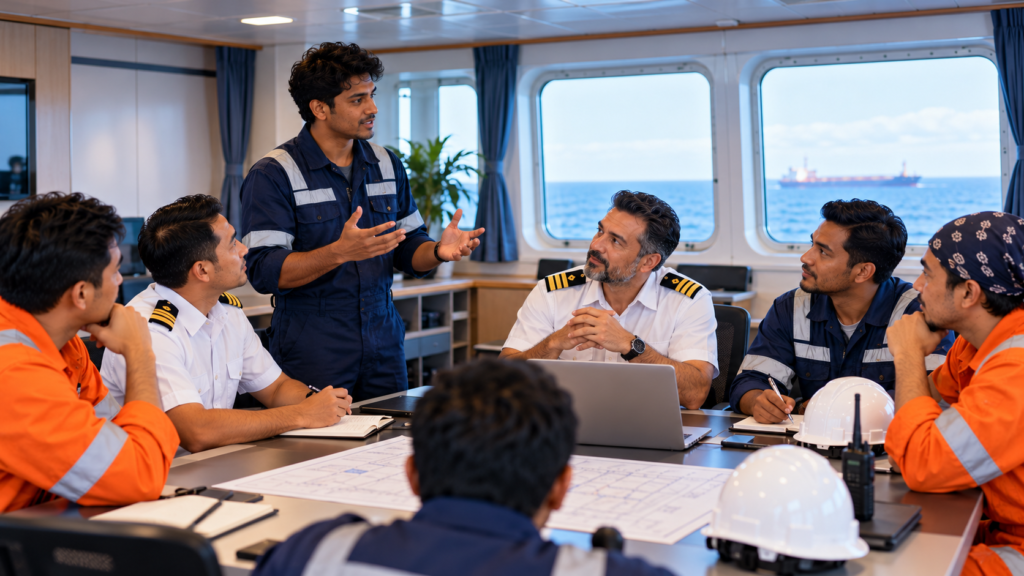
Effective communication is one of the foundations of safe maritime operations. Onboard ships, crew members must exchange information clearly, report
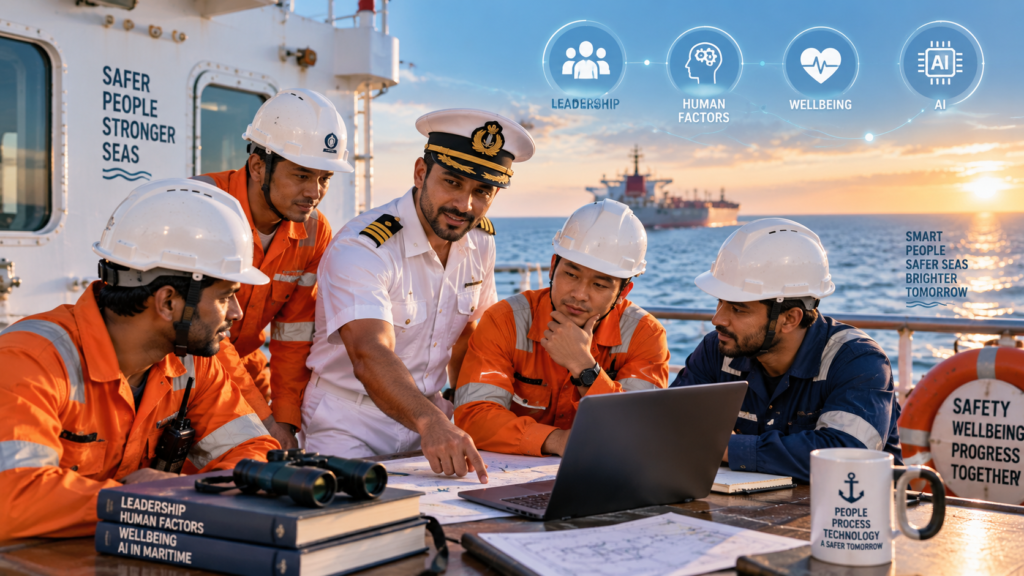
The maritime industry is undergoing a major transformation. Advances in technology, evolving operational demands, and greater awareness of human performance