

Maritime Training for Seafarers: A Global Guide to Skills, Safety, and Wellbeing
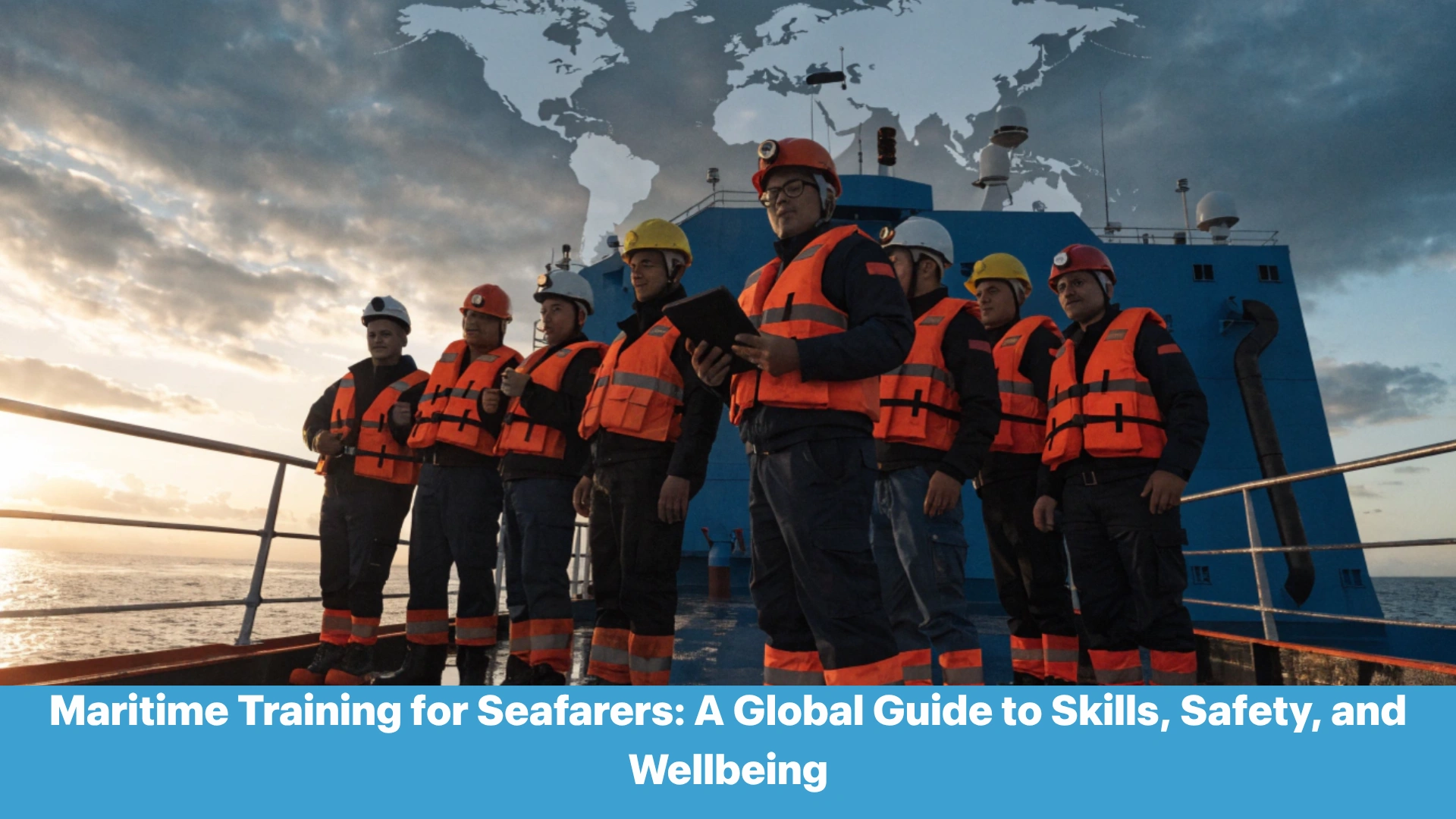
The maritime industry is one of the most international sectors in the world. Ships sail across borders, crews come from diverse countries, and regulations are followed globally. Because of this, maritime training for seafarers is not limited to one region—it is a worldwide necessity.
From Asia to Europe and the Middle East, the demand for skilled, compliant, and mentally resilient seafarers is growing rapidly. This guide explores how maritime training is evolving globally and why it is essential for modern seafarers and shipping companies.
Why Maritime Training Matters Worldwide
Seafarers operate in high-risk environments where safety, compliance, and performance are critical. Proper training ensures:
- Safe vessel operations
- Compliance with international regulations
- Improved crew wellbeing
- Reduced accidents and operational risks
Whether a seafarer is working in Southeast Asia, Europe, or the Middle East, the expectations remain consistent due to global standards like the Maritime Labour Convention (MLC).
A Truly Global Workforce
The maritime workforce is one of the most diverse in the world.
Countries like the Philippines and India are among the largest suppliers of seafarers, contributing significantly to the global shipping workforce. Meanwhile, major maritime hubs such as Singapore and Hong Kong play a key role in training, operations, and logistics.
In Europe, nations like Norway, Greece, France, Belgium, and Cyprus are known for their strong maritime traditions and advanced compliance systems. These countries often focus on high standards in safety, crew welfare, and regulatory training.
In emerging and transitional markets such as Ukraine, Myanmar, Turkey, and China, maritime training is gaining momentum as more professionals enter the global shipping industry.
The Middle East, particularly Dubai (UAE), has also become a strategic center for maritime business, offering training aligned with international standards.
The Growing Focus on Mental Health at Sea
One of the biggest shifts in recent years is the increased focus on mental health and wellbeing.
Life at sea can be challenging due to:
- Long periods away from family
- Isolation and loneliness
- High work pressure
- Fatigue and irregular schedules
Modern training programs now include:
- Emotional wellbeing support
- Stress and fatigue management
- Psychological safety awareness
- Communication and teamwork training
These programs are becoming essential across all regions, not just in developed maritime nations but globally.
Compliance and the Role of MLC
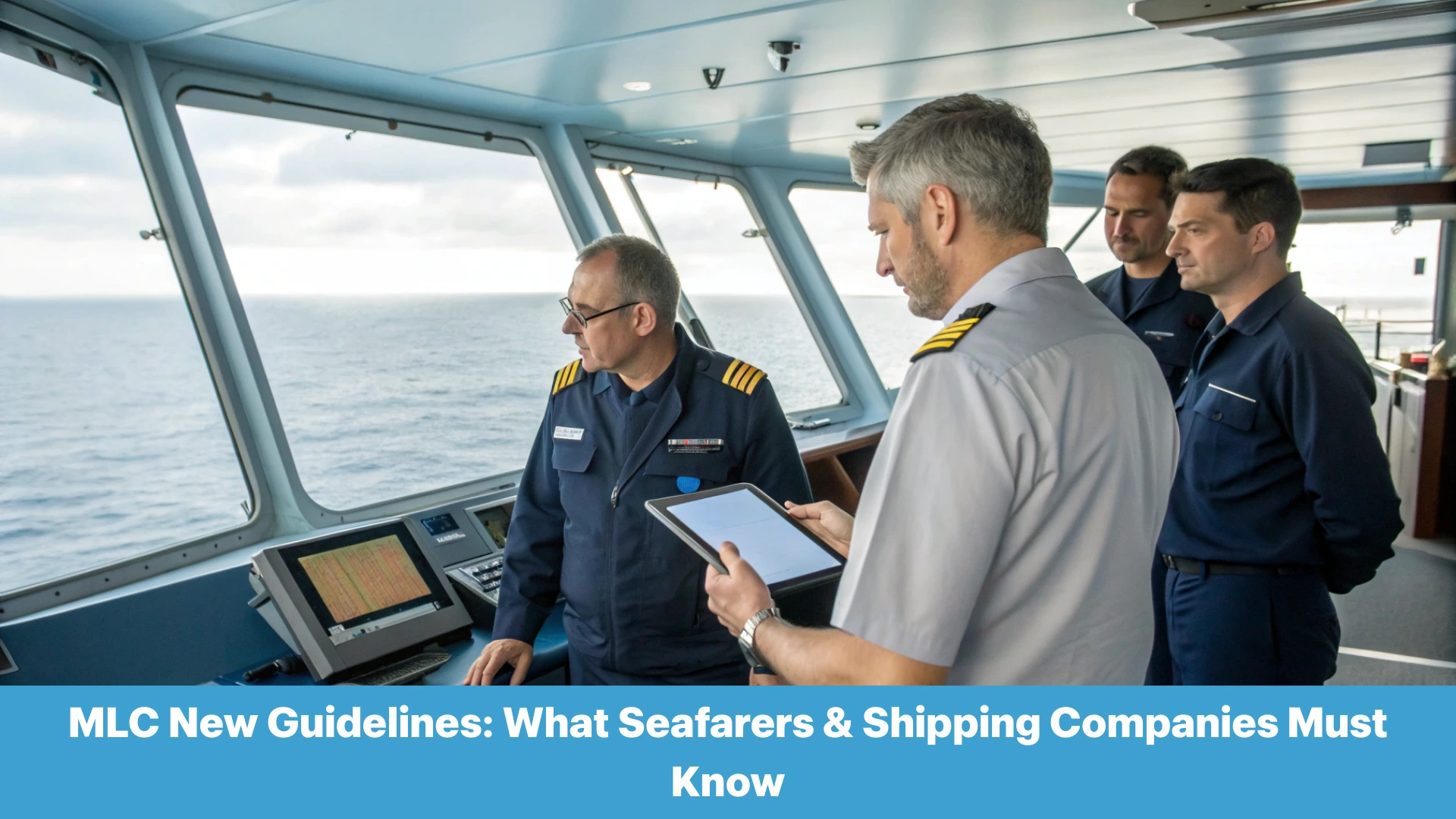
The Maritime Labour Convention (MLC) plays a crucial role in standardizing working conditions for seafarers worldwide.
Training aligned with MLC helps ensure:
- Fair working conditions
- Safe living environments onboard
- Protection against harassment and bullying
- Access to mental health support
Shipping companies across regions—from Europe to Asia—are increasingly investing in compliance-focused training to meet these requirements.
Building a Respectful and Safe Work Culture
Another important aspect of maritime training is creating a culture of respect onboard.
Awareness programs now address:
- Bullying and harassment prevention
- Dignity and respect at sea
- Inclusive and safe working environments
These initiatives are especially important in multinational crews where cultural differences can impact communication and teamwork.
Flexible Training: Online and Onboard
With digital transformation, maritime training is no longer limited to classrooms.
Today’s training methods include:
- Online learning platforms
- Virtual workshops
- Onboard training sessions
- Hybrid learning models
This flexibility allows seafarers from different countries to access the same quality of training, regardless of location.
The Future of Maritime Training
As the maritime industry continues to evolve, training will play an even bigger role in shaping its future.
Key trends include:
- Increased focus on mental health and wellbeing
- Advanced compliance and regulatory training
- Technology-driven learning solutions
- Global standardization of training programs
For both seafarers and shipping companies, investing in the right training is no longer optional—it is essential for long-term success.
Final Thoughts
Maritime training for seafarers is no longer region-specific—it is a global requirement driven by international standards and industry needs.
Whether in Asia, Europe, or the Middle East, the goal remains the same:
to build a skilled, safe, and resilient maritime workforce.
By focusing on technical skills, mental wellbeing, and compliance, the industry can ensure a better future for seafarers across the world.