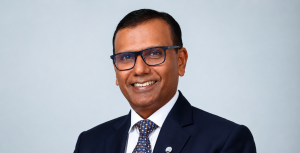


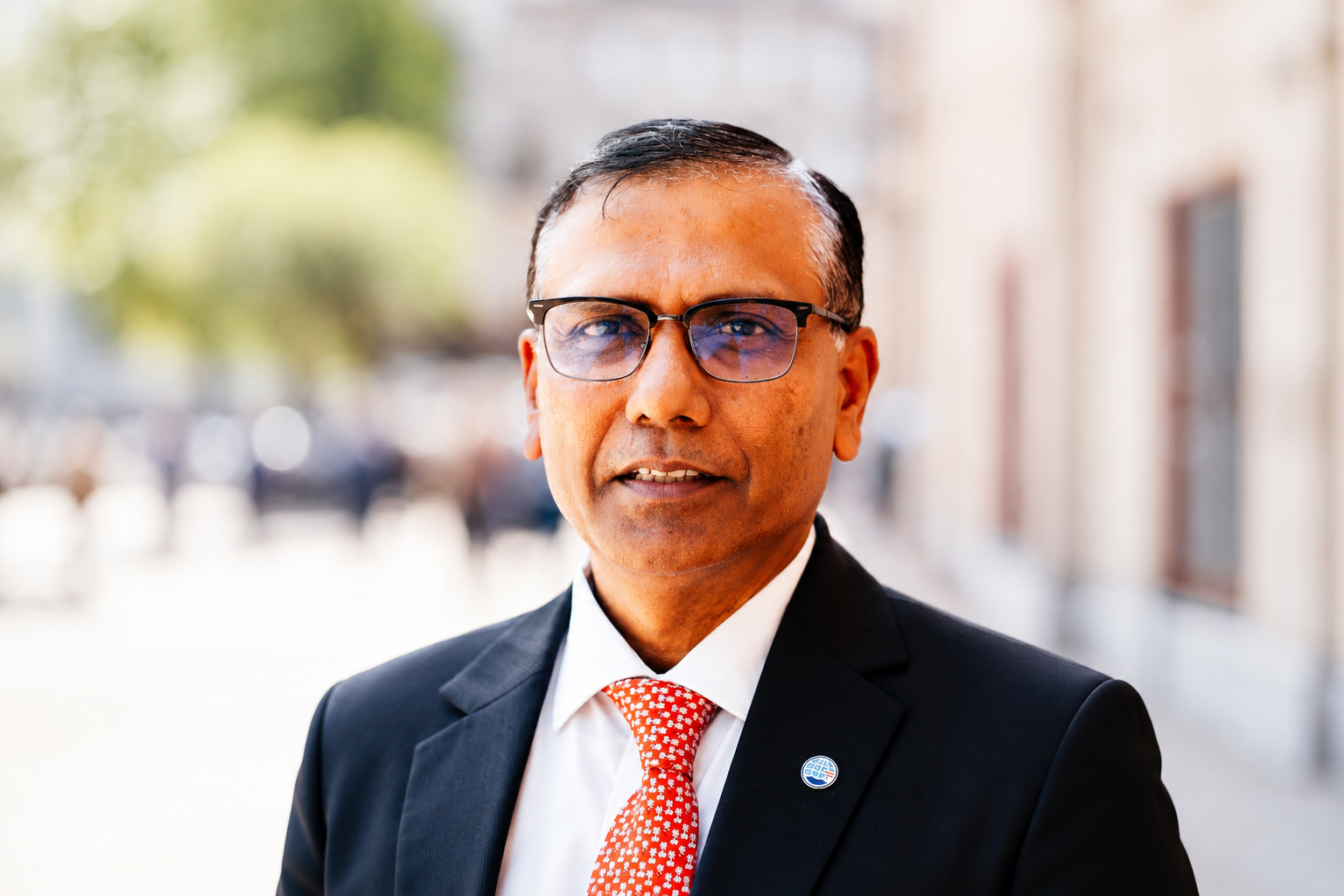
From a young marine engineer stepping onboard his first ship to leading one of the world’s leading ship management organisations, Anubhav Garg has built his career by embracing change, challenging convention, and investing in people.
A graduate of the prestigious Directorate of Marine Engineering Training (DMET), India, he spent more than a decade at sea before joining NYK Shipmanagement in Singapore in 2004. Over the past two decades, he has held several key leadership positions, driving technical excellence, digital transformation, operational performance, and people development before being appointed Managing Director and Chief Operating Officer in 2022.
Throughout his journey, the maritime industry has witnessed unprecedented transformation—from regulatory reforms and digitalisation to decarbonisation and geopolitical uncertainty. Yet, despite these changes, Anubhav believes one principle has remained constant: organisations succeed when they invest in their people.
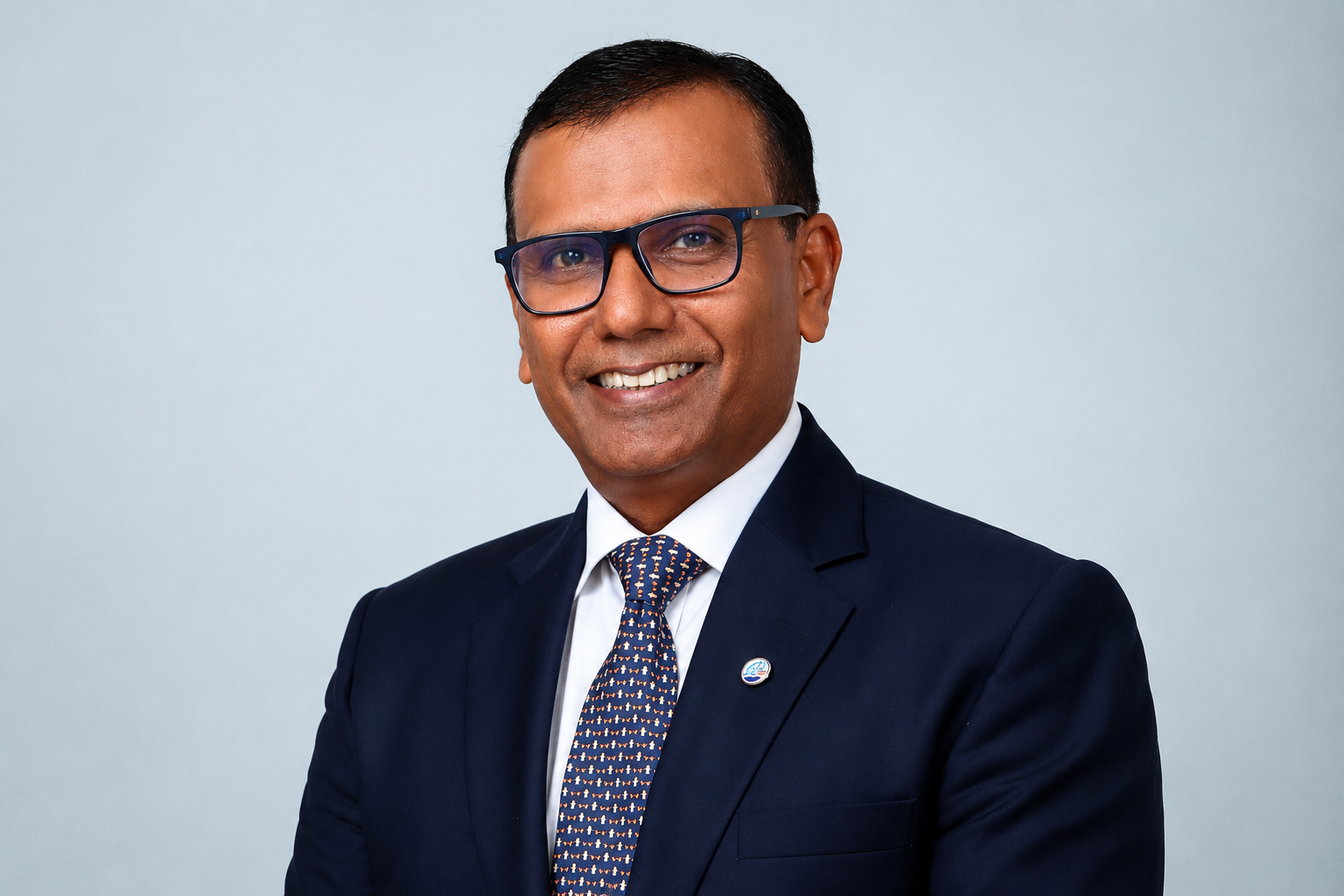
In this Seafarer Month feature, he reflects on the experiences that shaped his leadership philosophy, the importance of preparing the next generation of maritime professionals, and why, even in an increasingly digital world, people will always remain the industry’s greatest strength.
Before the boardroom, there was the engine room. More than a decade at sea shaped the leader you are today—but which experiences onboard left the deepest mark, and is there a specific moment at sea that you still think about, even now?
Every ship, every voyage, and every country I visited brought new experiences and valuable lessons. There are countless memorable moments from my years at sea, ranging from tackling machinery breakdowns and navigating extreme weather to handling onboard emergencies such as fires and injuries. I also remember eagerly waiting for the ship to arrive in port to receive letters from home. The list is long.
However, if I had to choose one moment that has stayed with me throughout my career, it would be the day I joined my very first ship. I was full of apprehension and nervous energy, with little idea of what lay ahead. What followed was almost a month of working 18 to 20 hours a day, tracing engine room systems and learning every detail of the machinery.
From being an officer at sea to Vessel Manager to Managing Director & COO—over two decades, one organisation, and an industry that never stopped changing around you. What has been the single biggest transformation you witnessed inside NYK Shipmanagement, and how has it fundamentally changed the way you lead today?
In shipping—and indeed in life—change is the only constant. The past 23 years at NYK Shipmanagement have been no exception. The industry has navigated significant regulatory changes while responding to major global events such as 9/11, the 2008 financial crisis, the COVID-19 pandemic, and ongoing geopolitical challenges.
Despite these events and constant change, one thing has remained unchanged—the resilience of our seafarers. They continue to keep global trade moving despite every adversity they face. The same can be said of our shore staff, whose dedication and commitment have been equally remarkable.
These experiences have reinforced one philosophy in my leadership:
“People First.”
Today, placing people at the centre of every decision has become an integral part of the way I lead and the way I work.
As Managing Director, you are responsible for balancing operational excellence, commercial performance, technological innovation, and the wellbeing of thousands of seafarers. Which of these keeps you awake at night—and why?
Fortunately, I sleep quite well.
What keeps me awake changes from time to time. Sometimes it is an operational issue involving one of our ships. At other times, it may be geopolitical developments or challenges affecting the wider industry.
However, one thought remains constant:
“What can we do better tomorrow than we did today?”
Every day presents an opportunity to improve the way we work, strengthen our organisation, and do more for our people. That continuous pursuit of improvement is always on my mind.
Managing a global fleet means leading people across vastly different cultures, nationalities, and working environments. Has there ever been a moment where those differences challenged your assumptions about leadership—and what did it teach you about building one unified culture?
There have certainly been moments of doubt and apprehension while working with people from different cultures, backgrounds, and nationalities. However, spending ten years at sea with multicultural crews prepared me well for working in equally diverse environments ashore.
At NYK Shipmanagement, our Group Values—the Three I’s: Intensity, Innovation, and Integrity—together with our strategic framework of the Three C’s, provide a common foundation across all our offices. These shared values enable us to collaborate effectively, regardless of culture or geography, and help us build one unified organisation.
You spend time meeting and listening to seafarers across your fleet. What conversations have stayed with you the most—and what have they taught you about the realities of life at sea that no report or data could ever fully capture?
Having spent ten years at sea myself between 1993 and 2003, I have experienced many of the realities that seafarers continue to face today. Although the maritime industry has become far more aware of these challenges and conditions have certainly improved—particularly within organisations that genuinely prioritise seafarer wellbeing—there is still much more that needs to be done.
Many of my conversations with seafarers centre around one common concern:
“Seafarers keep global trade moving, yet society often fails to recognise their contribution.”
Despite making countless sacrifices to keep world trade moving, many seafarers still feel that their profession is not fully understood or appreciated. Greater recognition of their contribution remains one of the industry’s most important responsibilities.
If a seafarer was choosing between NYK Shipmanagement and a competitor, what is the one thing you would most want them to understand about what it is truly like to work with your organisation—beyond what any official communication could convey?
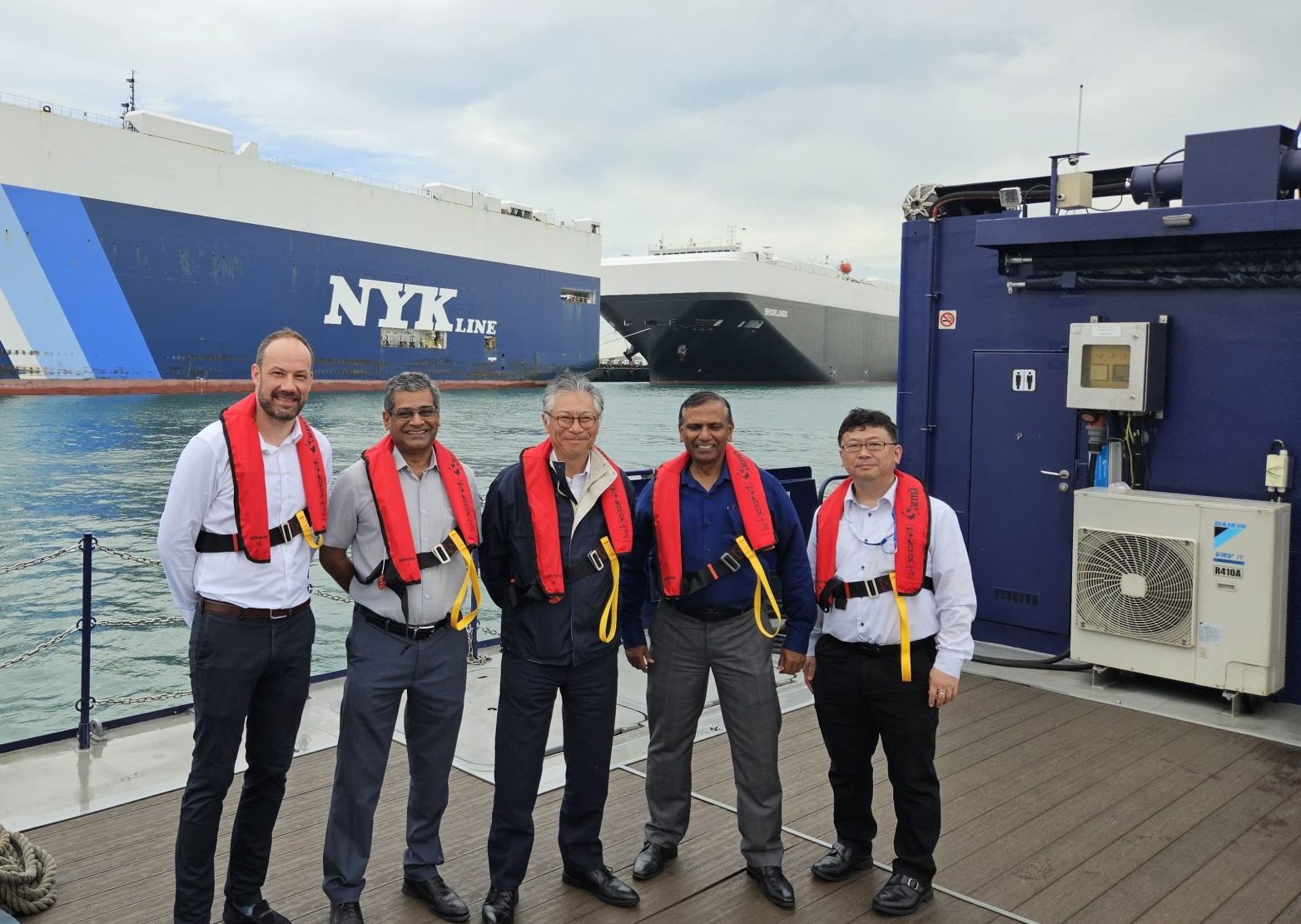
NYK Shipmanagement is a wholly owned subsidiary of one of the world’s largest shipowners, NYK Line, and we predominantly manage vessels owned by the Group.
The one message I always share with our seafarers is simple:
“No amount of money or salary can ever compensate for returning home safely after completing your contract onboard.”
Above everything else, our priority is ensuring that every seafarer returns home safely to their family. That is the commitment we strive to uphold every day.
You have often spoken about making NYK Shipmanagement truly future-ready. Beyond adopting new technologies, what does being future-ready actually mean for a global ship management organisation—and what is the part of that journey that people underestimate most?
To me, being future-ready means understanding where the industry is heading and preparing ourselves well in advance for what lies ahead. It is about anticipating where we need to be over the next five, ten, or even fifteen years, and identifying the skills our people will need to succeed in that future.
One aspect that is often underestimated is preparing the right talent for tomorrow. As technology continues to evolve at a rapid pace, the skills required across both shipboard and shore-based roles will continue to change.
“Being future-ready is not just about adopting technology—it is about preparing people for the future.”
That is where organisations need to invest today.
Technology is evolving faster than ever, but trust at sea is still built between people. How do you strike the right balance between digital innovation and human judgement—and where do you think that balance still needs the most work across the industry?
As long as ships continue to be operated by people, human judgement will always play a vital role in making critical decisions. Technology will continue to evolve rapidly, but its purpose should be to support seafarers in making better decisions—not replace them.
“Technology should support people in making better decisions—not replace them.”
At the same time, seafarers will require continuous upskilling as technologies evolve. Preparing people for future shipboard and shore-based roles is an area that deserves much greater attention before the industry begins to experience critical skills gaps.
What is the transformation initiative at NYK Shipmanagement that looked right on paper but taught you the hardest lesson in practice—and what would you do differently if you were starting it again today?
Our journey towards digitalisation and creating a more digital workplace has been one of the most challenging transformations I have experienced.
Changing long-established mindsets from paper-based processes to digital ways of working is never easy. Looking back, I have realised that this transition needs to happen gradually and in carefully planned phases.
At the same time, with Artificial Intelligence becoming an increasingly important part of our daily lives, the need to accelerate digital transformation is equally important. Balancing these two realities remains one of our biggest challenges.
“Digitalisation is not a race. It requires a practical, measured, and sustainable approach.”
Operational excellence and seafarer wellbeing are often discussed as separate priorities. In your experience, how are they actually connected—and can you point to a moment where prioritising one directly improved the other in a way that surprised you?
I have always believed that:
“A happy ship is a safe ship.”
Those few words capture the close relationship between seafarer wellbeing, safety, and operational excellence.
Simple initiatives can make a meaningful difference—ensuring timely sign-on and sign-off, doing our best to facilitate shore leave, providing high-speed unlimited internet wherever possible, and involving seafarers in decisions that affect them.
When seafarers feel valued, supported, and included, the positive impact extends far beyond wellbeing. It strengthens safety, improves operational performance, and contributes to a healthier and more positive onboard culture.
Technical competence alone is no longer enough for tomorrow’s seafarers. Beyond technical skills, what capabilities do you believe maritime professionals will need—and how well do you think today’s training systems are preparing them for that reality?
Tomorrow’s seafarers will require a much broader range of skills, and it is important that we prepare them accordingly. Alongside strong technical competence, they will need a sound understanding of emerging technologies, Artificial Intelligence, digital systems for remote monitoring, data literacy, and data analytics.
Equally important are soft skills. The ability to manage isolation at sea, cope with stress, build mental resilience, demonstrate leadership, and make sound decisions will become increasingly valuable. These are areas that have often been overlooked but will be essential for the future maritime workforce.
Most pre-sea and post-sea training programmes continue to focus primarily on meeting minimum regulatory requirements. Beyond that, it is largely left to individual organisations—or even individual seafarers—to invest in developing these additional competencies.
“The seafarer of tomorrow will need far more than technical competence. Continuous learning will be the key to remaining relevant.”
If a talented 22-year-old stood in front of you today and asked honestly whether a career at sea is truly worth the sacrifices, what would you tell them—and what is the part of that answer that the industry rarely says out loud?
As much as I would like to encourage young people to join the maritime industry, I would also want to be honest about the realities they may face.
Seafaring is no longer as financially attractive as it once was. There are significant differences in wages across different types of vessels, something I do not believe is fair. Career progression also continues to follow a system that has changed very little over the years.
Perhaps most importantly, seafarers still do not receive the recognition and pride they deserve. They transport the world’s cargo, ensure goods reach our tables, and keep global trade moving, yet society often fails to acknowledge their contribution.
“If we want more young people to choose a career at sea, we must first give seafarers the recognition they truly deserve.”
You have been recognised for driving innovation and energy-saving initiatives throughout your career. As the industry accelerates towards decarbonisation, how can ship management companies balance environmental responsibility with operational and commercial realities—and where do you think the industry still has the most difficult conversations ahead of it?
Decarbonisation is one of the most important challenges facing the maritime industry today and cannot be ignored. At the same time, the lack of a robust global supply chain for green fuels presents a significant obstacle.
Ship management companies are only one part of the wider maritime ecosystem. Shipowners and commercial stakeholders also have an equally important role to play in enabling the transition towards greener operations. Unless shipowners are adequately supported and compensated for investing in new technologies and alternative fuels, progress is likely to remain slower than expected.
From a ship manager’s perspective, our responsibility is to prepare both our shipboard and shore-based teams to safely manage new fuels and emerging technologies. However, the associated costs remain a significant challenge.
Whenever you step onboard one of your vessels, what are the first things you observe before looking at reports or performance data—and what do those observations tell you about the true health of a ship and its crew?
As I mentioned earlier, I strongly believe that:
“A happy ship is a safe ship.”
That is the first indicator I look for whenever I step onboard. A single glance at the crew’s expressions, the way they interact with one another, and the cleanliness of their living spaces tells me far more than any report or performance data. These simple observations provide valuable insight into the overall wellbeing of the crew and, ultimately, the health of the ship.
If you could change one long-held mindset within the ship management industry, what would it be—and why do you believe it continues to hold the industry back?
One mindset I would like to see change is the perception of ship management companies as low-cost service providers. I believe the value that professional ship managers bring to the industry deserves far greater recognition and appropriate compensation. This would also make ship management a more attractive long-term career option for experienced seafarers.
Another important issue is the continued presence of a blame culture within the industry.
“We need to move from a blame culture to a Just Culture.”
When people are encouraged to learn from mistakes rather than fear blame, organisations become safer, stronger, and better equipped to improve continuously.
After everything this industry has given you—and everything you’ve given back through leadership, innovation, and transformation—what legacy do you hope to leave behind for the people and the profession that shaped you?
Coming from an average small town and progressing from Junior Engineer to Chief Engineer at sea, and later from Junior Superintendent to Managing Director ashore, I have always encouraged my younger colleagues to believe in themselves, continue learning, and never stop aspiring to achieve more.
The legacy I hope to leave behind is a culture where integrity and respect for people at sea are not simply words in a policy, but values that are genuinely lived every day without the need for constant reinforcement.
If, ten or fifteen years from now, people say that NYK Shipmanagement is an organisation that truly invests in its people and never compromises on safety, I would consider that my greatest achievement.
“If, ten or fifteen years from now, people say that NYK Shipmanagement truly invests in its people and never compromises on safety, I would consider my legacy fulfilled.”
Every generation of maritime leaders faces a defining challenge. For today’s leaders, that challenge is preparing the industry for a future that is changing faster than ever before.
Anubhav Garg believes that meeting this challenge requires more than adopting new technologies or responding to new regulations. It requires organisations that invest in their people, empower future leaders, embrace continuous learning, and build cultures founded on trust and respect.
In an industry driven by change, those values remain constant—and perhaps that is the strongest foundation upon which the future of shipping can be built.