

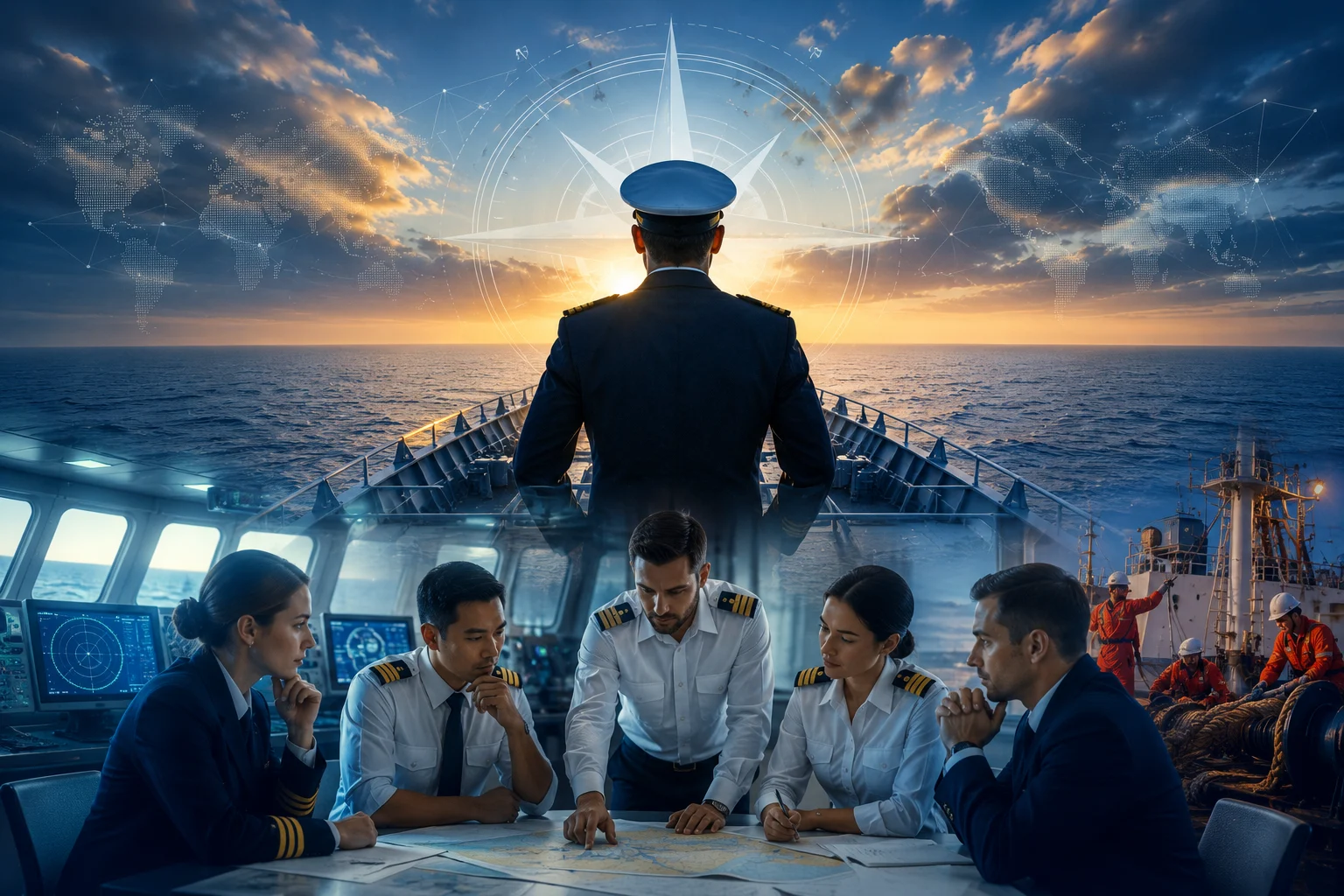
In today’s rapidly evolving maritime sector, technical expertise alone is no longer enough to ensure success. Modern shipping operations require professionals who can lead diverse teams, make critical decisions under pressure, and maintain high standards of safety and operational excellence. This is why Maritime Leadership Training has become an essential component of professional development in the global shipping industry.
Effective leadership onboard ships and within maritime organizations directly impacts crew performance, operational efficiency, regulatory compliance, and workplace safety. Investing in leadership development helps maritime professionals build the skills needed to navigate both challenges and opportunities in the modern maritime environment.
In this blog, we explore the importance of Maritime Leadership Training, its key benefits, essential training components, and how it prepares future maritime leaders.
What Is Maritime Leadership Training?
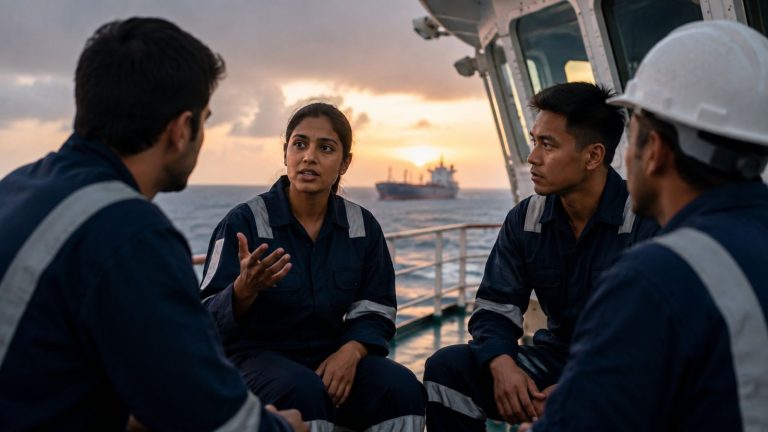
Maritime Leadership Training is a specialized program designed to develop leadership, communication, decision-making, and management skills among maritime professionals.
Unlike technical maritime training, leadership programs focus on:
- Team management
- Communication skills
- Conflict resolution
- Critical decision-making
- Crisis management
- Emotional intelligence
- Crew welfare and motivation
- Safety leadership
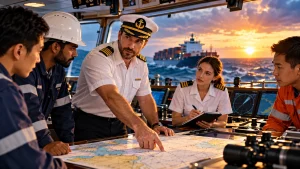
These skills enable officers, captains, and maritime managers to lead effectively in challenging maritime environments.
Why Maritime Leadership Training Is Important
Enhances Crew Performance
Strong leaders create motivated and productive crews. Effective communication and leadership improve teamwork, reduce misunderstandings, and enhance operational performance onboard vessels.
When crew members trust their leaders, they are more likely to work efficiently and maintain high safety standards.
Improves Maritime Safety
Leadership plays a vital role in maritime safety. Poor communication, ineffective supervision, and weak decision-making can contribute to accidents at sea.
Maritime Leadership Training helps leaders:
- Identify risks proactively
- Promote safety culture
- Manage emergencies effectively
- Encourage safety compliance
A strong safety culture begins with strong leadership.
Supports Regulatory Compliance
The maritime industry operates under strict international regulations established by organizations such as the International Maritime Organization and the International Labour Organization.
Leadership training helps maritime professionals understand:
- Safety management responsibilities
- Crew welfare obligations
- Risk management practices
- Compliance requirements
Effective leadership contributes to successful audits, inspections, and operational compliance.
Key Components of Maritime Leadership Training
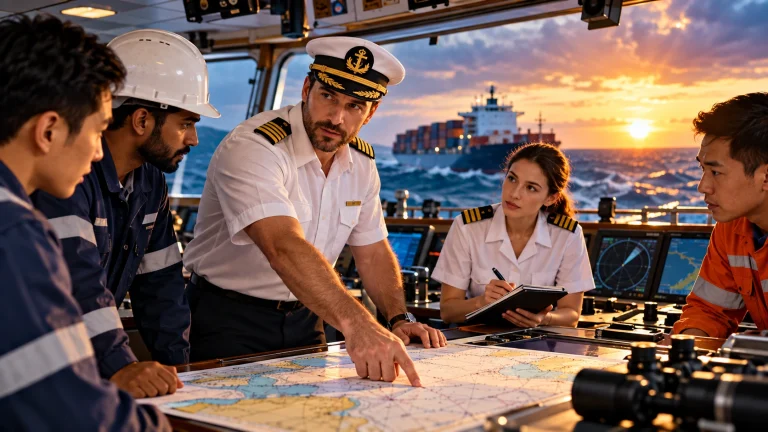
Communication and Teamwork
Communication is one of the most critical leadership skills at sea.
Training programs focus on:
- Clear communication techniques
- Active listening
- Cross-cultural communication
- Team collaboration
- Feedback management
Strong communication reduces operational errors and improves crew coordination.
Decision-Making Under Pressure
Maritime professionals often face challenging situations requiring immediate decisions.
Leadership training develops:
- Analytical thinking
- Problem-solving skills
- Risk assessment capabilities
- Crisis response strategies
These skills are essential during emergencies and complex operational scenarios.
Conflict Resolution
Life onboard vessels can create stressful situations among crew members.
Leadership training teaches participants how to:
- Manage interpersonal conflicts
- Resolve disputes professionally
- Promote respectful workplaces
- Maintain team harmony
Effective conflict management improves crew morale and workplace culture.
Emotional Intelligence
Modern leadership extends beyond authority and technical knowledge.
Emotional intelligence helps leaders:
- Understand team dynamics
- Build trust
- Support crew wellbeing
- Improve motivation and engagement
Leaders with strong emotional intelligence often achieve better operational outcomes.
Crisis and Emergency Management
Maritime emergencies require calm and decisive leadership.
Training programs prepare participants to manage:
- Fire incidents
- Medical emergencies
- Security threats
- Environmental hazards
- Operational disruptions
Strong leadership during crises can significantly reduce risks and protect lives.
Benefits of Maritime Leadership Training
Better Career Opportunities
Leadership qualifications increase promotion prospects for maritime professionals seeking roles such as:
- Chief Officer
- Master Mariner
- Chief Engineer
- Fleet Manager
- Marine Superintendent
- Maritime Operations Manager
Leadership skills are highly valued across the global shipping industry.
Improved Crew Retention
Crew members are more likely to remain with companies that foster positive leadership and supportive workplace environments.
Good leadership improves job satisfaction and reduces employee turnover.
Enhanced Organizational Performance
Shipping companies benefit from:
- Increased productivity
- Better safety records
- Reduced operational risks
- Stronger workplace culture
- Improved compliance performance
Leadership development contributes directly to long-term business success.
Challenges Facing Maritime Leaders Today
The maritime industry is undergoing rapid transformation.
Modern leaders must navigate:
- Digitalization and automation
- Cybersecurity threats
- Environmental regulations
- Multicultural crews
- Mental health concerns
- Workforce shortages
Continuous leadership development helps maritime professionals adapt to these evolving challenges.
Future of Maritime Leadership Training
The future of Maritime Leadership Training will focus on:
- Digital leadership skills
- Sustainability management
- Mental health awareness
- Diversity and inclusion
- Remote team management
- Human-centered leadership
As maritime operations become more complex, leadership skills will become increasingly important across all levels of the industry.
Why Choose Strive High for Maritime Leadership Training?
At Strive High, we believe that successful maritime operations begin with exceptional leadership.
Our Maritime Leadership Training programs are designed to help maritime professionals:
- Strengthen leadership capabilities
- Improve crew management skills
- Enhance operational decision-making
- Build confidence in challenging situations
- Develop future-ready leadership competencies
With industry-focused training and practical learning approaches, Strive High empowers maritime professionals to lead with confidence and excellence.
Conclusion
Maritime Leadership Training is no longer an optional skill development program—it is a strategic investment in safety, operational excellence, and career growth. Effective leaders inspire teams, improve safety performance, and drive organizational success across the maritime industry.
As shipping continues to evolve, professionals who invest in leadership development will be better prepared to navigate future challenges and seize new opportunities.
For maritime professionals looking to advance their careers and make a lasting impact, Maritime Leadership Training provides the foundation for long-term success.