

A Note from the Editor
There is a saying among seafarers that no two voyages are ever the same. Even on familiar routes, the sea has a way of reminding us that conditions can change without warning. A calm morning may give way to rough weather by afternoon, and a carefully planned schedule can shift in a matter of hours. For those who work at sea, uncertainty is not an occasional challenge—it is part of everyday life.
While ships are built to navigate changing seas, people must also learn to navigate changing circumstances. The question is not whether plans will change, but how we respond when they do.
This edition explores the human skills that help us meet uncertainty with confidence. Adaptability, flexible thinking, emotional regulation, sound decision-making, and teamwork are more than professional competencies—they are qualities that shape resilient individuals and stronger crews.
As you read these pages, we invite you to reflect not only on the operational side of every voyage but also on the people behind it. Because while we cannot always control what happens around us, we can continue to strengthen the way we respond.
We hope this edition offers insights that encourage reflection, meaningful conversations, and continued growth—both at sea and ashore.
Ms. Suganya Selvaraj
Marketing & Communications Manager
Strive High Pte. Ltd.
Why We Resist Change
Life at sea is built on preparation. Every voyage begins with a plan. Routes are carefully charted, watches are assigned, equipment is inspected, and every crew member understands their responsibilities. These routines do more than keep operations running smoothly—they create confidence. They provide structure in an environment where conditions can change at any moment.
Then, something unexpected happens. A weather system develops faster than anticipated. A port call is postponed. Cargo operations are revised, or a technical issue demands immediate attention. Within hours, sometimes even minutes, the plan everyone has been working towards begins to change.
In moments like these, it is natural to feel unsettled. Many of us assume we dislike change because it disrupts our plans. In reality, what we often struggle with is the uncertainty that follows. Questions begin to surface almost immediately. What happens next? Will this affect the voyage? What should I do now? Until those questions are answered, our minds instinctively search for clarity.
This is not a weakness—it is part of being human.
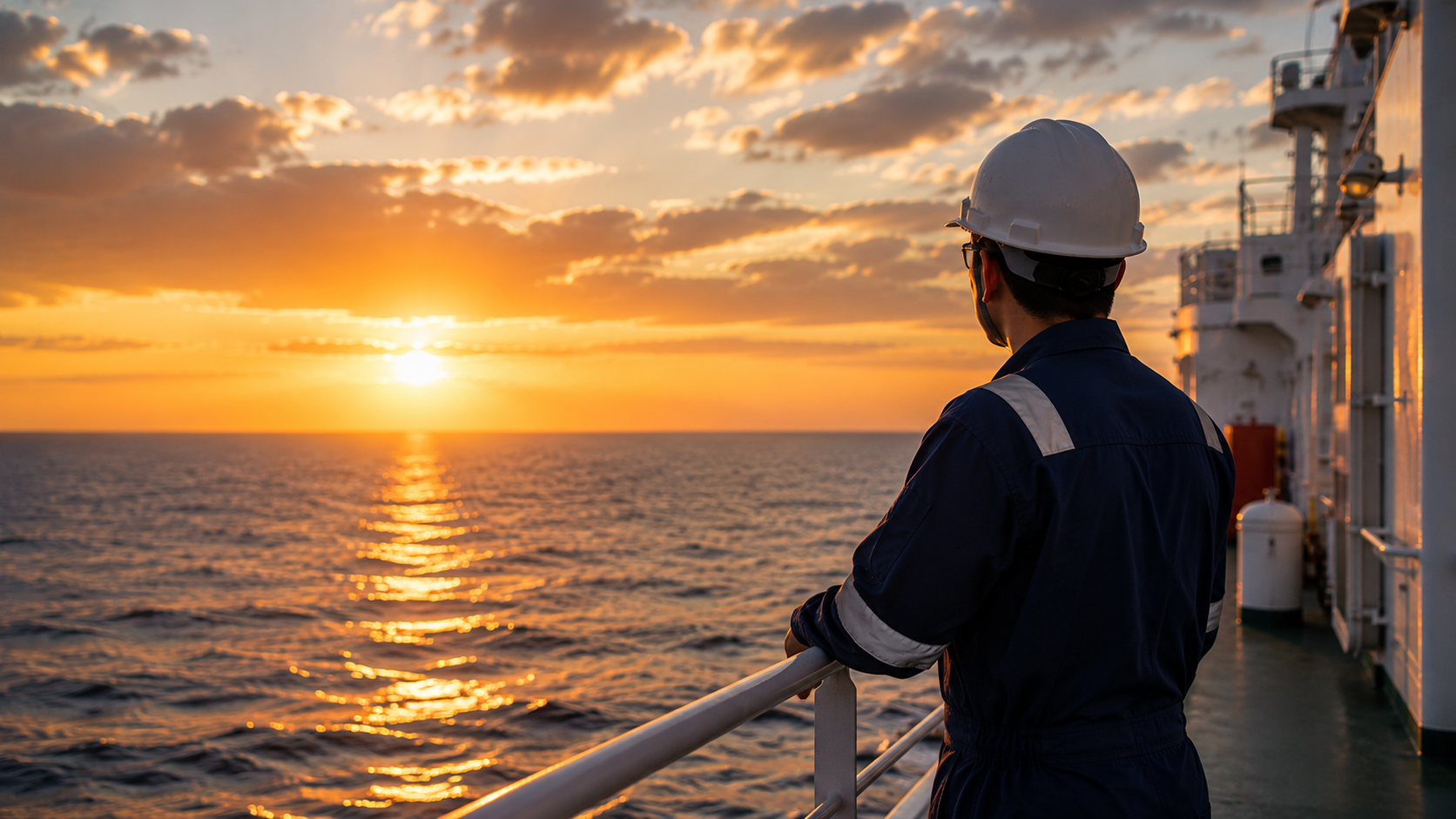
Our brains are designed to recognise patterns and predict what comes next. Familiar routines reduce mental effort and help us work with confidence. When those routines are interrupted, the brain shifts into a state of heightened awareness. It gathers information, evaluates possible risks, and tries to restore a sense of certainty. This instinct has helped people navigate uncertainty for generations, but it can also make unfamiliar situations feel more overwhelming than they really are.
“Life is about how much you can take and keep fighting, how much you can suffer and keep moving forward.”
For seafarers, uncertainty is not the exception—it is part of the profession. No matter how carefully a voyage is planned, conditions at sea continue to evolve. Weather changes without warning. Operational priorities shift. Equipment requires unexpected attention. New information may arrive at any stage of a journey, requiring crews to reassess and adjust.
The difference between experienced professionals and everyone else is not that they encounter fewer unexpected situations. It is that they understand uncertainty is something to be managed rather than feared. Instead of reacting immediately, they pause. They gather facts before making assumptions, communicate openly with the crew, and focus on the decisions they can influence rather than the circumstances they cannot.
Over time, this approach becomes a habit. It does not eliminate uncertainty, but it changes the way uncertainty is experienced. Instead of becoming overwhelmed by what has changed, attention shifts towards what can be done next. That subtle change in perspective often makes the difference between reacting emotionally and responding professionally.
Perhaps that is one of the greatest lessons the sea teaches us. It reminds us that certainty is temporary, but our ability to adapt can continue to grow throughout our careers.
Understanding why we resist uncertainty is the first step towards overcoming it. The next step is learning how to respond when plans no longer unfold as expected. Adaptability is more than simply accepting change—it is developing the confidence to adjust, learn, and continue moving forward, whatever the voyage may bring.
Cognitive Flexibility: Seeing More Than One Way Forward
Every voyage begins with a plan. Routes are carefully prepared, weather forecasts are reviewed, and operations are organised with precision. Yet every experienced seafarer knows that no plan remains untouched forever. A change in weather, an operational delay, or an unexpected technical issue can quickly alter the course of the day.
When that happens, experience alone is not enough. We also need the ability to think differently.This is where cognitive flexibility becomes essential. Cognitive flexibility is the ability to adjust our thinking when circumstances change. Instead of becoming fixed on one solution, it allows us to consider new information, explore alternatives, and make decisions that fit the reality of the moment. It is not about changing direction without purpose—it is about recognising when a different approach is the wiser one.
Imagine a bridge team navigating deteriorating weather conditions. The original route may no longer be the safest option. Remaining committed to the plan simply because it was the original plan could increase risk. The more effective response is to pause, reassess the available information, and adapt based on current conditions.
The same principle applies beyond navigation. It influences how crews solve problems, communicate under pressure, and respond when unexpected situations arise onboard.
“The measure of intelligence is the ability to change.”
One of the greatest barriers to flexible thinking is the belief that changing our minds means admitting we were wrong. In reality, it often means we have learned something new. As fresh information becomes available, good judgement requires us to adjust our understanding rather than hold on to outdated assumptions.
The most effective professionals are not those who always have the quickest answers. They are those who remain curious enough to ask better questions. They listen carefully, consider different perspectives, and remain open to ideas that may improve the outcome. This approach strengthens not only individual performance but also collaboration within the crew.
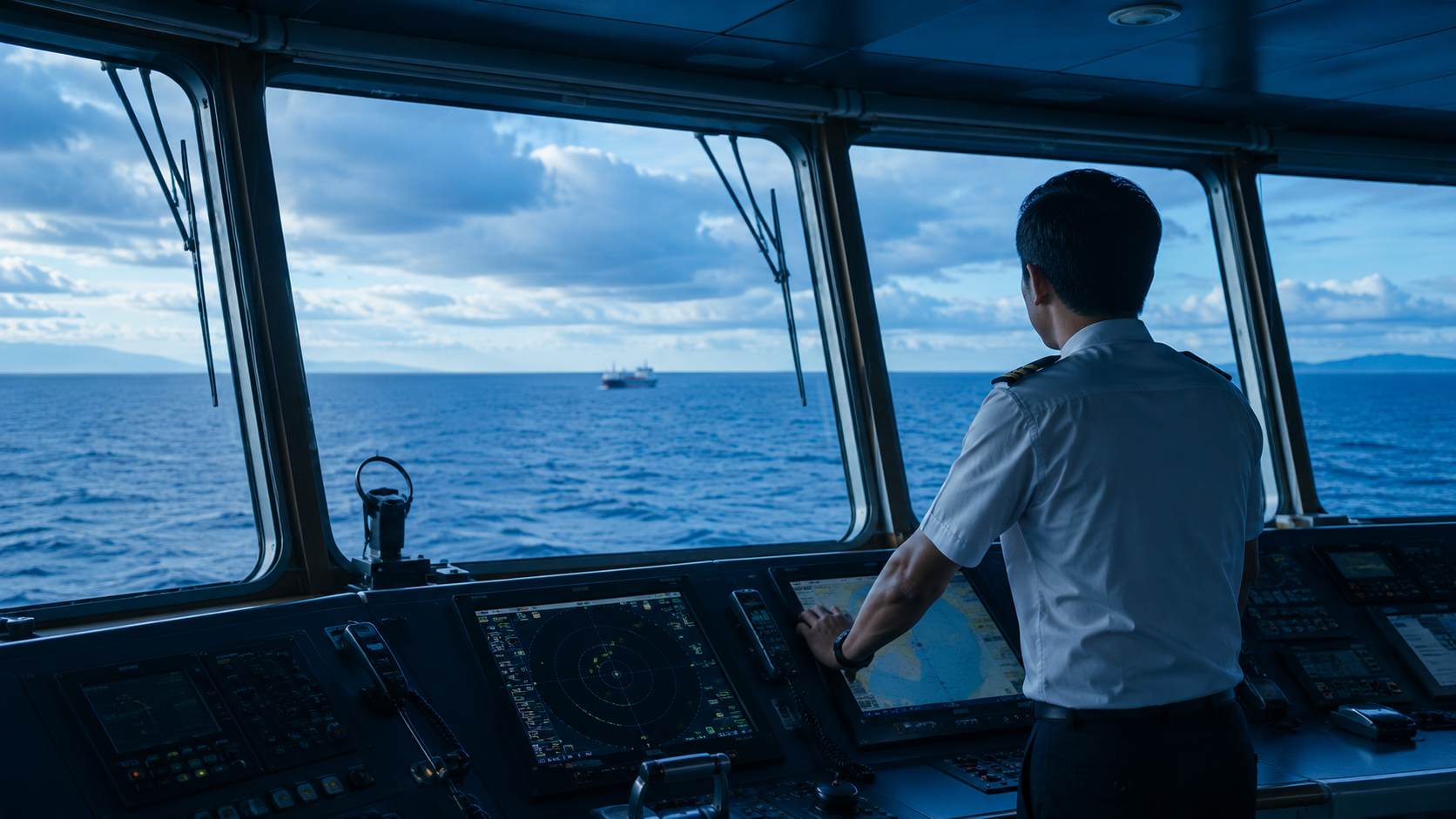
Cognitive flexibility also helps reduce unnecessary stress. When we believe there is only one correct solution, every obstacle feels like a failure. But when we recognise that there may be several paths to the same destination, unexpected challenges become opportunities to rethink rather than reasons to panic.
The sea rarely rewards rigid thinking. It rewards those who observe, learn, and adjust with confidence. Every voyage presents situations that cannot be predicted in advance, making flexible thinking one of the most valuable skills a seafarer can develop. Ultimately, cognitive flexibility is not about abandoning experience. It is about using experience wisely—knowing when to rely on what has worked before and when to embrace a different way forward.
Thinking differently is important, but our decisions are influenced by more than our thoughts alone. In high-pressure situations, emotions can shape how we interpret events and how we respond to them. The ability to remain calm without becoming passive is another skill that strengthens performance at sea. In the next chapter, we explore the role of emotional regulation and why staying composed is often the first step towards making better decisions.
Staying Calm Without Standing Still
There is a quiet moment that often separates an effective response from an ineffective one. It happens just after something unexpected occurs. An alarm sounds. A piece of equipment fails. Weather conditions deteriorate more quickly than forecast. In those first few seconds, before decisions are made and actions are taken, our minds and bodies react almost instantly.
Our heart rate rises. Breathing becomes quicker. Thoughts race ahead, searching for answers. These reactions are natural. They are part of the body’s built-in response to stress, preparing us to deal with situations that demand immediate attention.
The challenge is not the emotional response itself. The challenge is what we do next.
Many people believe that staying calm means suppressing emotions or pretending that everything is under control. In reality, emotional regulation is something quite different. It is the ability to recognise our emotions without allowing them to take control of our actions. This distinction is especially important at sea, where decisions made under pressure can influence not only operational outcomes but also the safety and wellbeing of the entire crew.
“You can’t stop the waves, but you can learn to surf.”
Experienced seafarers are not calm because they never feel stress. They remain composed because they have learned how to respond instead of react. They pause before speaking, take a moment to assess the situation, and focus on the information available rather than the emotions they are experiencing.
This ability creates clarity. When emotions take over, our thinking often becomes narrow. We may rush decisions, overlook important details, or misinterpret the actions of others. Under pressure, even simple misunderstandings can grow into larger problems if emotions begin to drive communication. Remaining emotionally regulated does not remove pressure, but it allows us to think more clearly within it. It helps us listen carefully, communicate respectfully, and choose actions based on judgement rather than impulse.
Emotional regulation also influences the people around us. Emotions are surprisingly contagious. A calm leader can reduce anxiety within a team, while panic or frustration can quickly spread through a crew. This is why composure is more than a personal strength—it is a professional responsibility. The way one person responds often shapes how others respond as well.
Like any behavioural skill, emotional regulation develops through practice. It grows each time we choose to pause before reacting, take a steady breath before speaking, or focus on solving the problem instead of dwelling on it. These small habits build resilience over time, making it easier to remain composed when the stakes are higher.
The sea will always present moments of uncertainty and pressure. While we cannot control every challenge we encounter, we can strengthen our ability to meet those challenges with clarity, confidence, and self-control. Sometimes, the strongest response is not the quickest one. It is the calmest.
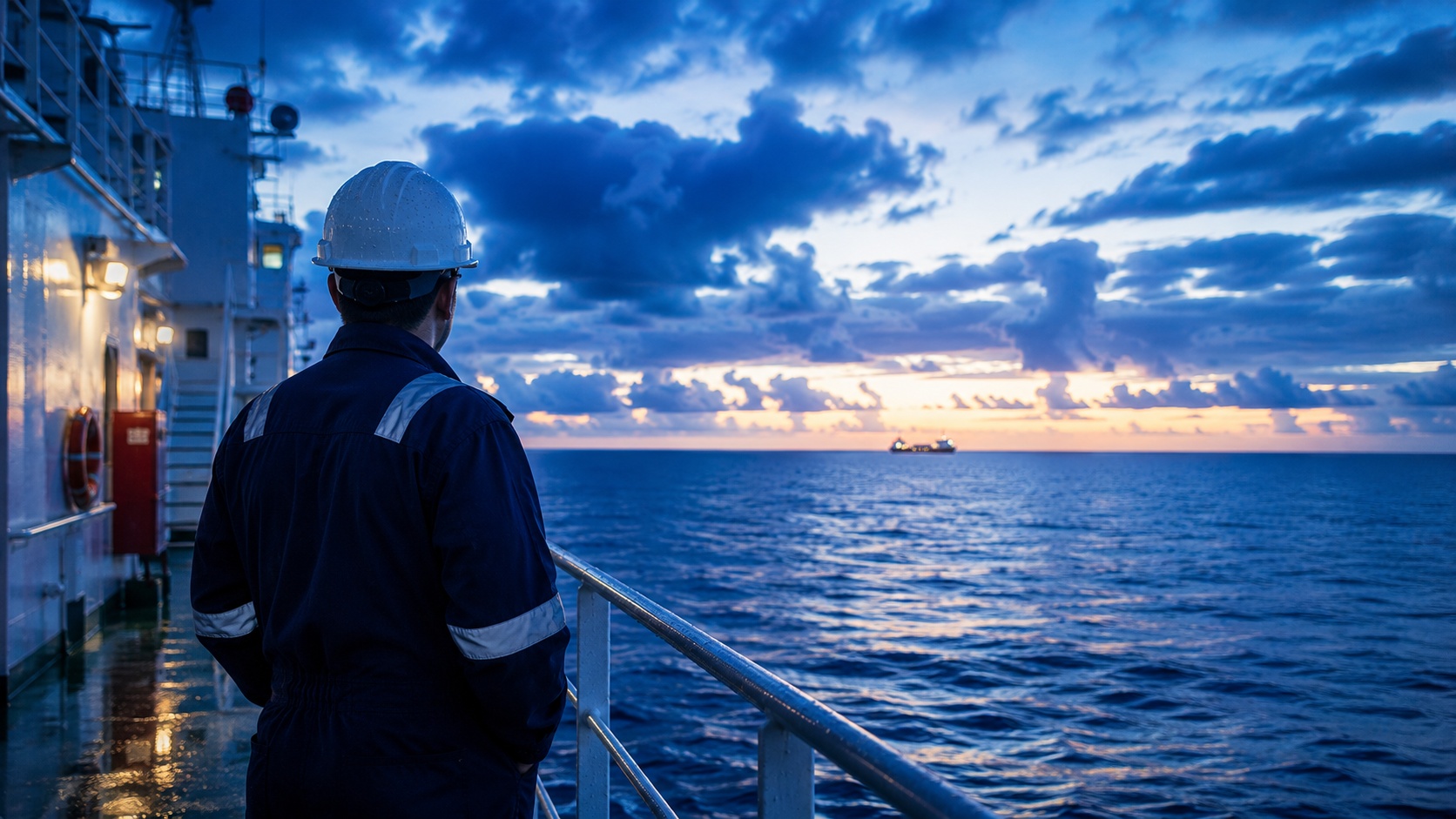
Staying calm creates the space to think clearly, but clear thinking must eventually lead to action. Every voyage involves choices, some routine and others made under significant uncertainty. In the next chapter, we explore how thoughtful decision-making helps seafarers navigate complexity with confidence and sound judgement.
Making Decisions in Uncertain Moments
Every decision at sea begins with one question:
“What is the best thing to do right now?”
The answer isn’t always obvious.
Weather changes, equipment behaves unexpectedly, and situations evolve faster than anyone anticipated. Waiting until every detail is known isn’t always possible, yet acting too quickly can create new risks. Good judgement lies somewhere in between. It begins by separating facts from assumptions. What do we know? What still needs to be confirmed? What options do we have? These simple questions help us respond with clarity instead of urgency.
“It is our choices that show what we truly are, far more than our abilities.”
Strong decision-makers don’t feel pressured to have every answer immediately. They listen, observe, and are willing to adjust as new information becomes available. They understand that changing course isn’t a sign of weakness—it’s often the wisest decision.
At sea, good decisions are rarely made alone. Open communication allows different perspectives to come together, creating a clearer picture of the situation. A question from one crew member or an observation from another can make all the difference. Ultimately, sound judgement is not about making perfect decisions every time. It is about making thoughtful ones, learning from experience, and staying prepared to adapt when circumstances change.
Good decisions help individuals navigate uncertainty, but great outcomes depend on something more. They depend on people working together. In the next chapter, we explore how trust, communication, and teamwork enable crews to respond confidently when plans change.
When One Person Adapts, the Crew Benefits.
When the Crew Adapts, Everyone Benefits. Life at sea has never been a solo journey. Every safe arrival, successful operation, and challenge overcome is the result of people working together. While technical skills keep a vessel moving, it is trust, communication, and teamwork that help a crew perform when circumstances become unpredictable.
Change rarely affects just one person onboard.
A revised schedule, unexpected weather, or an operational issue often requires everyone to adjust. In these moments, teamwork becomes more than cooperation—it becomes a shared commitment to support one another and work towards the same goal.
“If you want to go fast, go alone. If you want to go far, go together.”
Strong teams are built on open communication. Crew members feel comfortable sharing information, asking questions, and speaking up when something doesn’t seem right. These conversations help prevent misunderstandings and allow better decisions to be made before small issues become larger ones. Trust also plays an important role. Knowing that colleagues will listen, offer support, and work together creates confidence, especially during demanding situations. When people feel respected and valued, they are more willing to contribute ideas and help solve problems.
Perhaps one of the greatest strengths of a crew is its diversity. People from different backgrounds, cultures, and experiences often see situations differently. While these differences can sometimes lead to misunderstandings, they can also become one of a team’s greatest advantages. Different perspectives encourage better thinking, broader solutions, and stronger decisions.
Ultimately, resilience is not built by individuals alone. It grows through crews that communicate openly, adapt together, and remain focused on a common purpose. When one person stays calm, others often do the same. When one person offers support, it strengthens the entire team.
At sea, success is rarely achieved alone. It is built—one conversation, one decision, and one act of teamwork at a time.
Every challenge discussed in this edition points to one simple truth: resilience is not built in a single moment. It is developed through small, consistent behaviours that prepare us for whatever lies ahead. In the next section, we bring these ideas together through five practical behaviours that every seafarer can practise before they are needed.
Five Behaviours to Practise Before You Need Them
The most valuable skills at sea are not developed in the middle of a crisis. They are built through small, consistent habits long before they are needed. Every conversation, every challenge, and every unexpected change is an opportunity to strengthen the behaviours that help us respond with confidence.
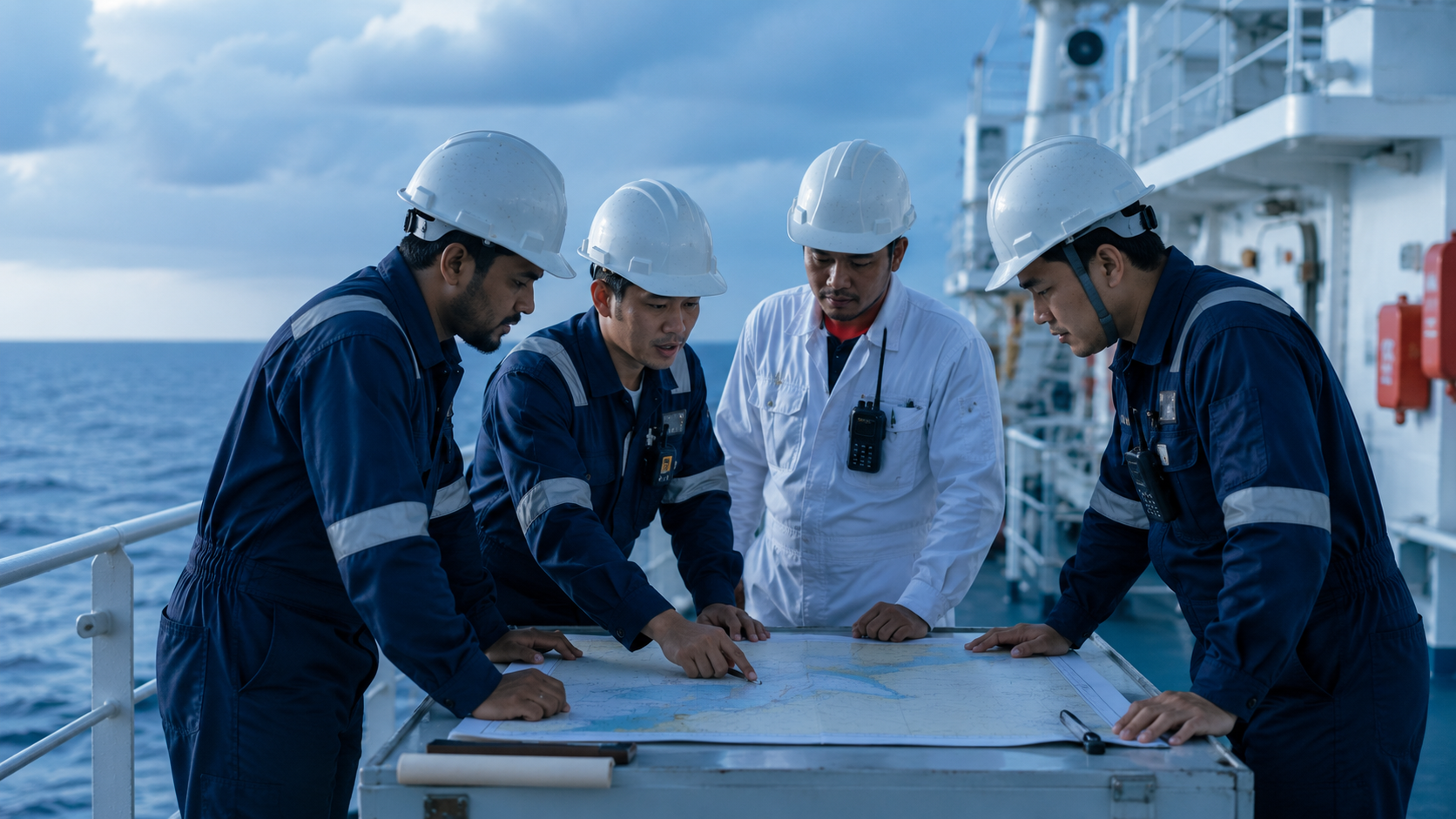
As you continue your journey, consider making these five behaviours part of your everyday routine:
Pause Before You React
Unexpected situations often create an urge to respond immediately. Taking a brief moment to assess the situation, gather information, and think clearly can lead to better decisions and more effective actions.
Stay Curious
Change often brings unfamiliar situations. Instead of resisting them, approach them with a willingness to learn. Asking questions, seeking different perspectives, and remaining open to new ideas encourages continuous growth.
Focus on What You Can Influence
Not every circumstance is within our control. Rather than dwelling on what cannot be changed, direct your energy towards the actions you can take. This mindset helps reduce unnecessary stress and keeps attention on meaningful progress.
Communicate Early and Clearly
Sharing concerns, observations, and information at the right time strengthens teamwork. Clear communication builds trust, prevents misunderstandings, and allows crews to respond more effectively together.
Reflect and Learn
Every voyage offers valuable lessons. Taking time to reflect on what went well, what could be improved, and what you’ve learned helps transform experience into future confidence.
These behaviours may seem simple, but together they create the foundation of resilience. They prepare us not only to face uncertainty but to grow through it.
Every voyage leaves us with lessons that extend beyond the destination. As this edition comes to a close, one question remains: What kind of seafarer do we choose to become when the unexpected becomes part of the journey? In our final reflection, we explore how embracing change can become one of the greatest strengths we carry—both at sea and in life.
The Sea Will Always Change
Every voyage eventually reaches its destination, but no journey ends exactly as it began. Along the way, there are lessons that cannot be found in manuals or checklists. They come from unexpected weather, difficult decisions, changing plans, and moments that test both our skills and our character. While these experiences may not always be easy, they shape us into more capable professionals and more resilient individuals.
Throughout this edition, we have explored the behavioural skills that help us navigate uncertainty—understanding why we resist change, adapting to new situations, thinking flexibly, staying calm under pressure, making thoughtful decisions, and working together as a team. These are not qualities reserved for extraordinary moments. They are developed through everyday choices and strengthened with every voyage.
“A smooth sea never made a skilled sailor.”
Perhaps that is the greatest lesson the sea teaches us. Change is inevitable, but growth is a choice. We may not always control the challenges we encounter, but we can choose how we respond to them. Every setback can become a learning experience. Every unexpected turn can become an opportunity to build confidence, resilience, and wisdom.
As the maritime industry continues to evolve, technology will advance, operations will change, and new challenges will emerge. Yet one thing will always remain constant—the importance of people. Behind every vessel is a crew whose ability to adapt, communicate, and support one another is what truly keeps the journey moving forward.
So, as you prepare for your next voyage, carry more than your technical expertise. Carry curiosity when circumstances change. Carry composure when pressure rises. Carry the confidence to learn, adapt, and help those around you do the same.
Because while the sea will always change, so can we. And perhaps that is the greatest strength any seafarer can carry on every voyage.
Let’s Continue the Conversation
At Strive High, we believe that behavioural skills for Seafarer are just as important as technical expertise. By investing in adaptability, resilience, communication, and wellbeing, we help maritime professionals build stronger crews and safer workplaces.
If this edition has inspired a new perspective or started a meaningful conversation, we’d love to hear from you.
Share your thoughts, experiences, or ideas with us—and let’s continue learning together.
Email: support@strive-high.com
Website: www.strive-high.com
LinkedIn: Strive High Pte. Ltd.
Because every conversation has the power to strengthen the people who keep the world moving.