

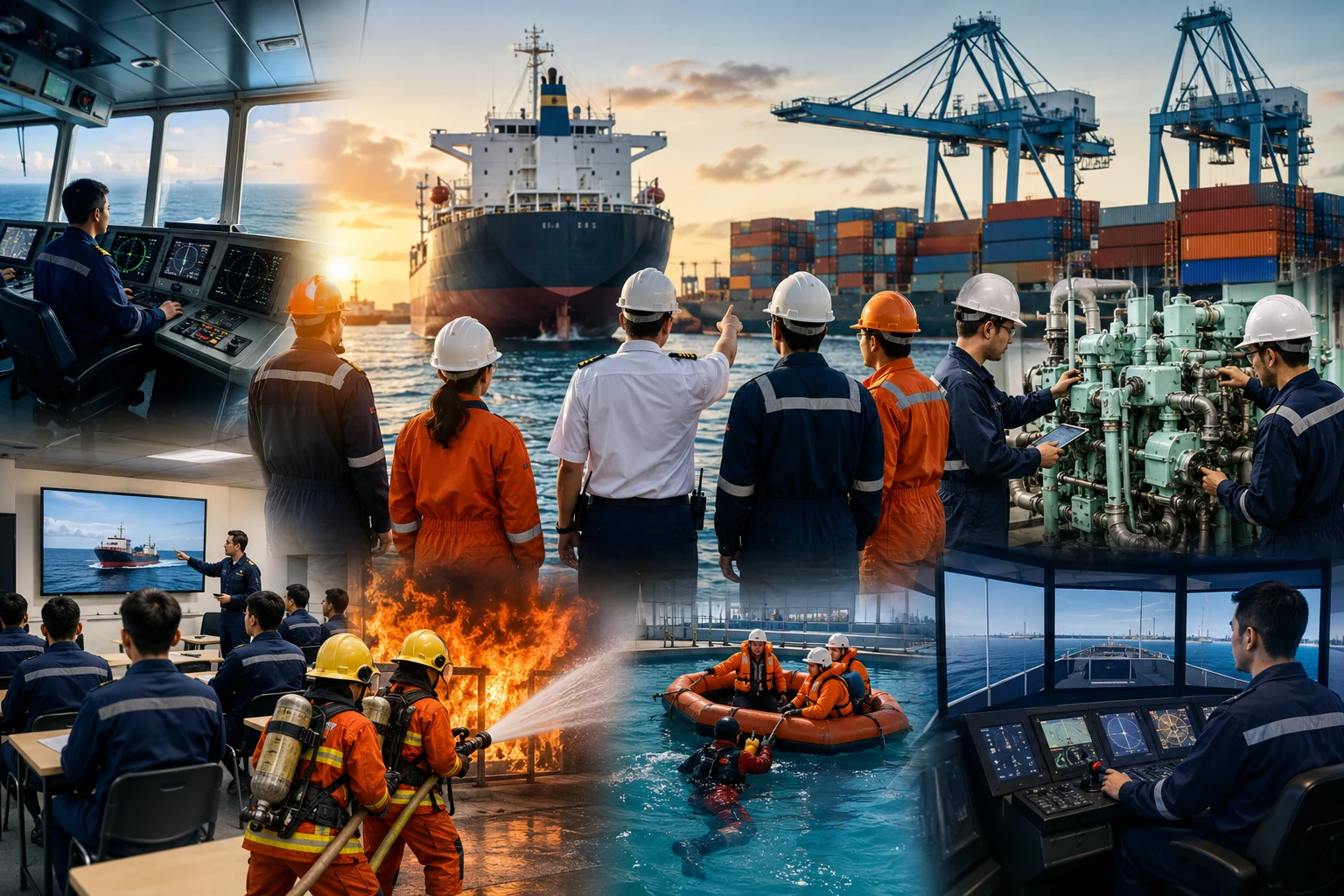
The global shipping industry is the backbone of international trade, transporting more than 80% of goods worldwide. As maritime operations become increasingly advanced, the demand for skilled and well-trained professionals continues to rise. This is where shipping industry training plays a critical role.
From safety compliance to technical expertise, maritime training helps seafarers, shipping companies, and marine professionals maintain operational excellence while meeting international regulations.
In this blog, we’ll explore the importance of shipping industry training, key training programs, career benefits, and how modern maritime education is shaping the future of global shipping.
What Is Shipping Industry Training?
Shipping industry training refers to specialized education and skill development programs designed for professionals working in the maritime and logistics sectors.
These training programs cover:
- Maritime safety procedures
- Navigation and ship operations
- Engine room management
- Cargo handling
- Environmental compliance
- Emergency response
- Leadership and communication skills
Training is essential for both onboard crew members and shore-based maritime professionals.
Why Shipping Industry Training Is Important
1. Enhances Maritime Safety
Safety is one of the biggest priorities in the shipping industry. Proper training helps seafarers understand emergency procedures, firefighting techniques, survival operations, and accident prevention methods.
Well-trained crews reduce operational risks and improve onboard safety standards.
2. Ensures International Compliance
Maritime operations are regulated by international organizations such as the International Maritime Organization and International Labour Organization.
Shipping industry training ensures compliance with:
- STCW standards
- Maritime Labour Convention (MLC)
- ISM Code
- SOLAS regulations
- Environmental protection guidelines
Companies that invest in training can avoid penalties, detentions, and compliance issues.
Types of Shipping Industry Training Programs
Basic Safety Training (BST)
BST is mandatory for seafarers and includes:
- Personal survival techniques
- Fire prevention and firefighting
- Elementary first aid
- Personal safety and social responsibilities
This foundational training prepares crew members for emergency situations onboard ships.
Advanced Fire Fighting Training
This course focuses on:
- Fire control strategies
- Use of firefighting equipment
- Command during fire emergencies
- Risk assessment
Advanced training improves onboard emergency preparedness.
Bridge Resource Management (BRM)
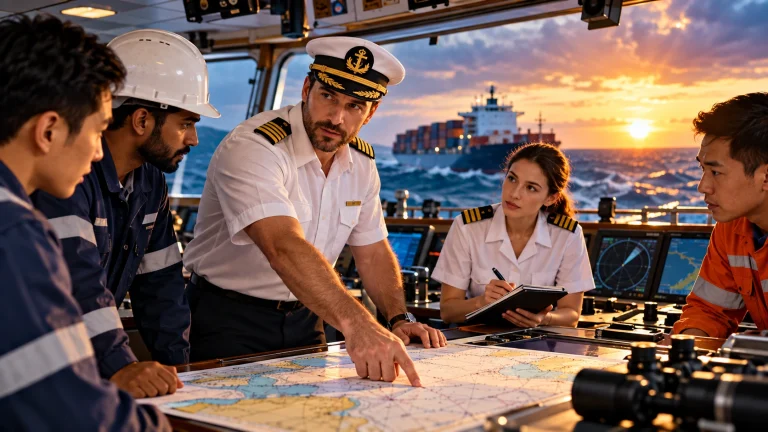
BRM training helps officers improve:
- Communication
- Navigation teamwork
- Decision-making
- Situational awareness
It plays a major role in preventing maritime accidents.
Engine Room Simulator Training
Modern maritime institutes use advanced simulators to train engineers in:
- Machinery operations
- Troubleshooting
- Fuel management
- Emergency handling
Simulator-based training improves technical efficiency without real-world risks.
Leadership and Management Courses
The shipping industry increasingly values soft skills and leadership development.
These courses focus on:
- Team management
- Conflict resolution
- Crew communication
- Operational leadership
Strong leadership improves overall vessel performance and crew morale.
Benefits of Shipping Industry Training
Better Career Opportunities
Certified maritime professionals have higher chances of securing promotions and international job placements.
Training certifications add value to resumes and improve employability in global shipping companies.
Increased Operational Efficiency
Skilled crews can manage operations more effectively, reducing delays, accidents, and maintenance costs.
Efficient operations improve profitability for shipping companies.
Improved Environmental Awareness
Modern training programs emphasize sustainability and environmental responsibility.
Seafarers learn about:
- Pollution prevention
- Waste management
- Fuel efficiency
- Green shipping practices
This supports the maritime industry’s transition toward cleaner operations.
Role of Technology in Maritime Training
Technology has transformed shipping industry training through:
- Virtual reality (VR) simulations
- E-learning platforms
- AI-based training systems
- Digital assessment tools
- Remote learning programs
These innovations make maritime education more accessible, flexible, and effective.
Challenges in Maritime Training
Despite advancements, the industry still faces challenges such as:
- High training costs
- Rapid technological changes
- Shortage of qualified instructors
- Language barriers
- Limited access to advanced simulators
Shipping companies and training institutes must continuously upgrade programs to meet evolving industry needs.
Future of Shipping Industry Training
The future of maritime training will focus heavily on:
- Automation and smart shipping
- Cybersecurity awareness
- Green shipping technologies
- Mental health and crew welfare
- Autonomous vessel operations
As the maritime sector modernizes, continuous learning will become essential for long-term career success.
Why Choose Professional Maritime Training Institutes?
Professional maritime institutes provide:
- Certified training programs
- Experienced instructors
- Advanced simulators
- Internationally recognized certifications
- Practical onboard preparation
Choosing the right institute helps maritime professionals build strong careers in the global shipping industry.
Conclusion
Shipping industry training is the foundation of safe, efficient, and compliant maritime operations. From technical expertise to leadership development, proper training empowers seafarers and shipping companies to meet modern industry demands.
As technology and global regulations continue to evolve, investing in high-quality maritime education is no longer optional — it is essential for sustainable growth and operational excellence.
For aspiring seafarers and maritime professionals, continuous learning and certification remain the key to long-term success in the shipping industry.