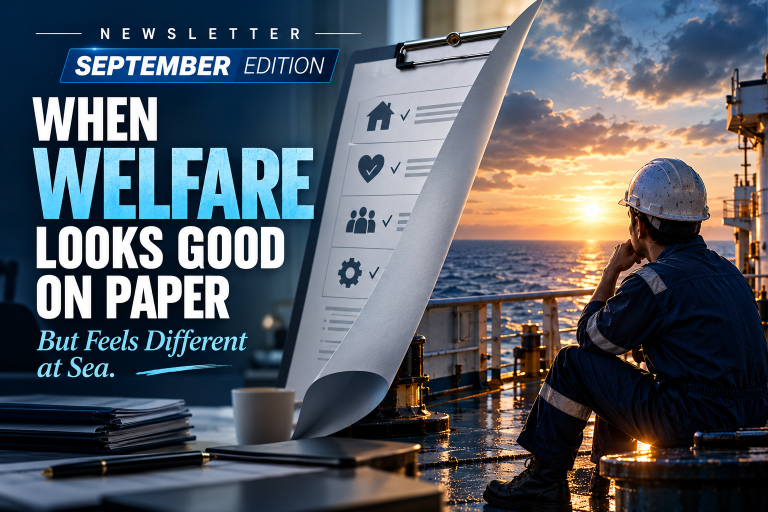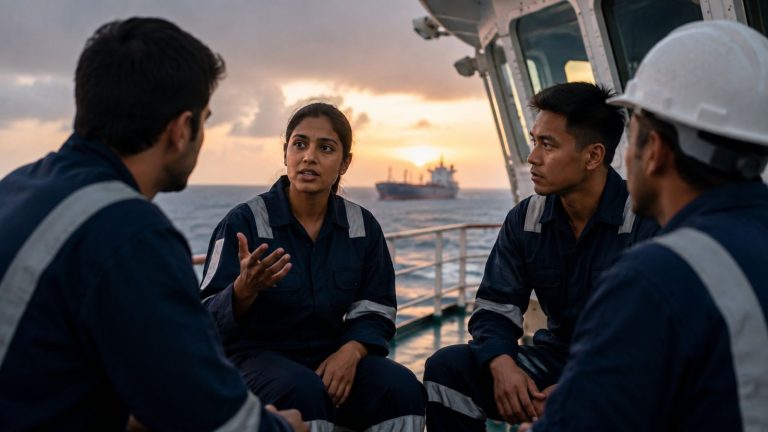

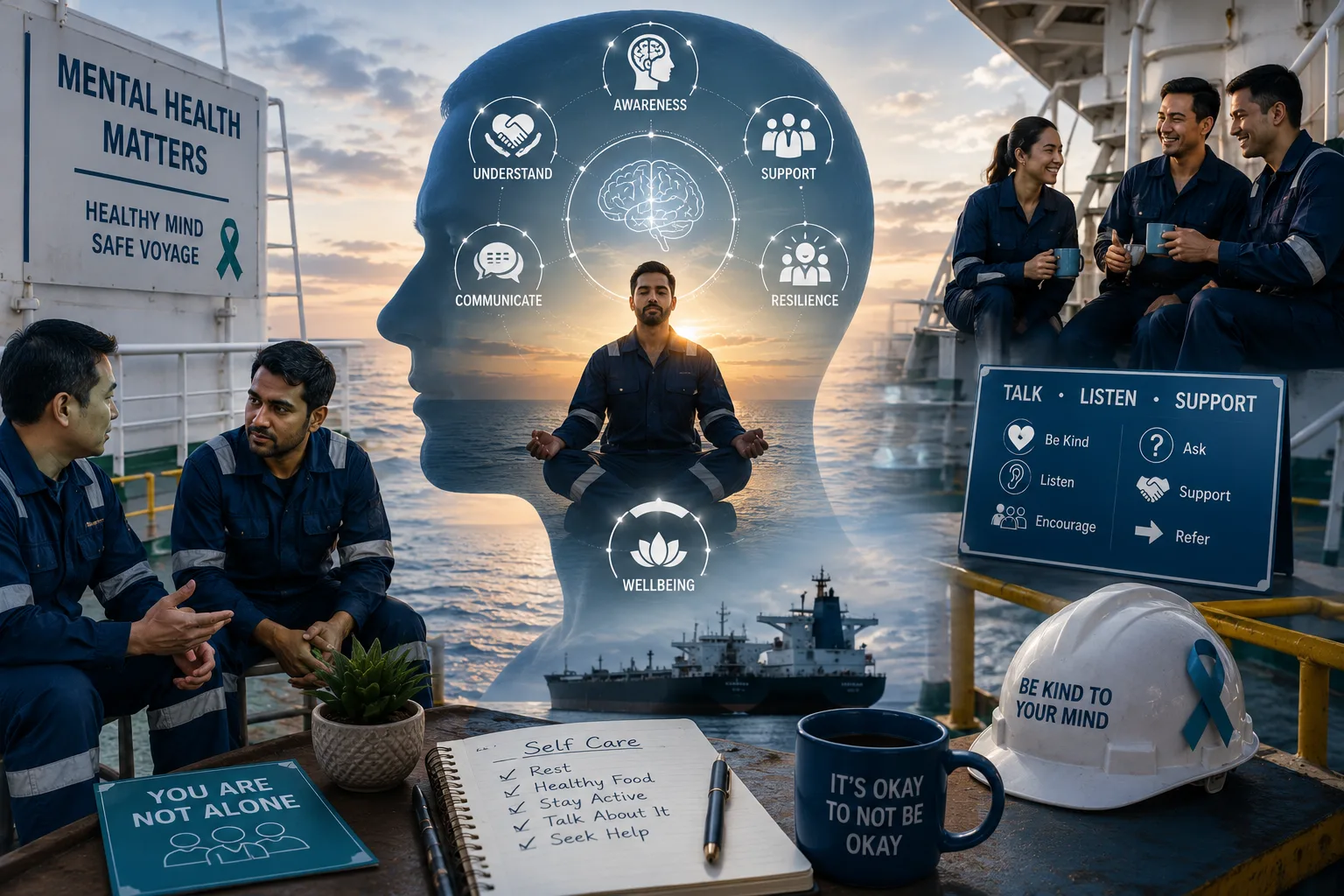
The maritime industry is one of the most demanding professions in the world. Long voyages, extended periods away from family, demanding workloads, isolation, and challenging working environments can significantly impact a seafarer’s mental wellbeing. As awareness of crew welfare continues to grow, Maritime Mental Health Training has become an essential component of modern maritime operations.
Mental health is no longer viewed solely as a personal issue—it is now recognized as a critical factor affecting safety, productivity, decision-making, and overall vessel performance. Effective mental health training equips seafarers and maritime leaders with the knowledge and skills needed to recognize, manage, and support mental wellbeing onboard ships.
In this blog, we explore the importance of Maritime Mental Health Training, its benefits, key training topics, and why investing in crew wellbeing is essential for the future of the shipping industry.
What Is Maritime Mental Health Training?
Maritime Mental Health Training is a specialized program designed to help seafarers understand mental health challenges, recognize warning signs, manage stress, and support colleagues in maintaining psychological wellbeing.
The training focuses on:
- Mental health awareness
- Stress management
- Emotional resilience
- Fatigue prevention
- Peer support
- Communication skills
- Crisis response
- Workplace wellbeing
The goal is to create healthier, safer, and more supportive maritime workplaces.
Why Mental Health Matters in the Maritime Industry
Seafarers face unique challenges that can affect their mental wellbeing, including:
- Long periods away from home
- Social isolation
- High workloads
- Fatigue
- Limited recreation opportunities
- Cultural and language barriers
- Emergency situations
- Job uncertainty
These factors can contribute to stress, anxiety, depression, burnout, and reduced job performance.
Without proper support, mental health challenges can impact both individual wellbeing and vessel safety.
The Growing Importance of Maritime Mental Health Training
The maritime industry has increasingly recognized mental wellbeing as a key component of operational safety.
Organizations such as the International Maritime Organization and the International Labour Organization continue to emphasize crew welfare and safe working environments.
Many shipping companies now include mental health awareness programs as part of their crew development and welfare initiatives.
Key Topics Covered in Maritime Mental Health Training
Understanding Mental Health at Sea
Training helps seafarers understand:
- Common mental health challenges
- Stress triggers onboard vessels
- Emotional wellbeing fundamentals
- Mental health misconceptions
Awareness is the first step toward prevention and support.
Stress Management Techniques
Maritime Mental Health Training teaches practical methods for managing stress, including:
- Time management
- Relaxation techniques
- Healthy lifestyle habits
- Emotional regulation strategies
- Coping mechanisms for difficult situations
These skills help seafarers maintain resilience during demanding voyages.
Fatigue Awareness and Prevention
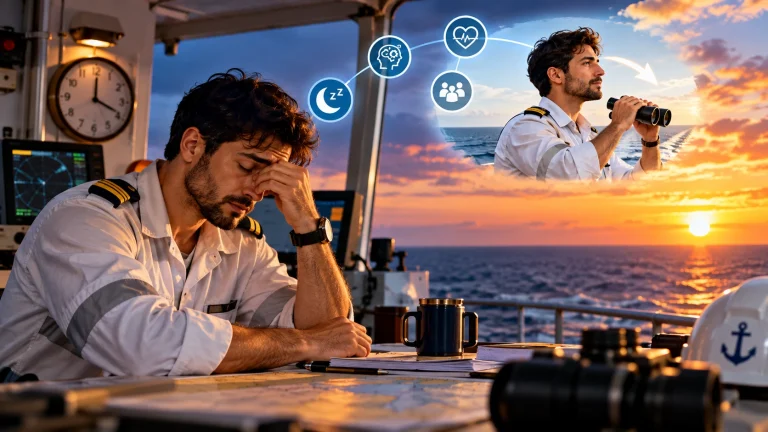
Fatigue remains one of the leading contributors to maritime incidents.
Training covers:
- Causes of fatigue
- Effects on decision-making
- Sleep management
- Work-rest balance
- Fatigue risk mitigation
Reducing fatigue improves both safety and mental wellbeing.
Recognizing Warning Signs
Mental health training enables crew members to identify signs of distress in themselves and others, such as:
- Mood changes
- Withdrawal from social interaction
- Loss of motivation
- Anxiety symptoms
- Difficulty concentrating
- Changes in sleep patterns
Early recognition allows timely intervention and support.
Building Emotional Resilience
Resilience is essential for adapting to challenges at sea.
Training helps participants develop:
- Positive coping skills
- Adaptability
- Confidence
- Emotional strength
- Problem-solving abilities
Resilient seafarers are better equipped to manage pressure and uncertainty.
Peer Support and Communication
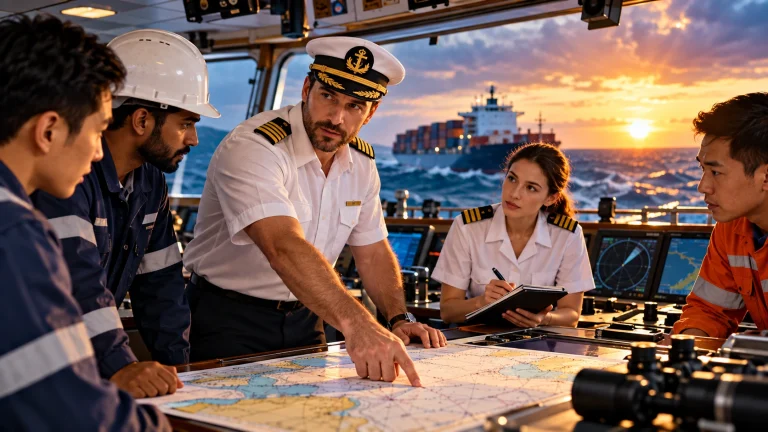
Crew members spend extended periods working closely together.
Mental health training encourages:
- Open communication
- Active listening
- Team support
- Respectful workplace culture
- Mental health conversations
Strong peer relationships contribute to healthier onboard environments.
Benefits of Maritime Mental Health Training
Improved Safety Performance
Mental wellbeing directly influences concentration, awareness, and decision-making.
Healthier crews make fewer operational errors and respond more effectively during emergencies.
Better Crew Welfare
Training helps seafarers feel supported, valued, and equipped to manage workplace challenges.
This contributes to greater job satisfaction and overall wellbeing.
Reduced Crew Turnover
Shipping companies that prioritize mental health often experience:
- Higher crew retention
- Increased employee engagement
- Improved morale
- Better workplace culture
Supporting wellbeing creates stronger and more stable teams.
Enhanced Leadership Effectiveness
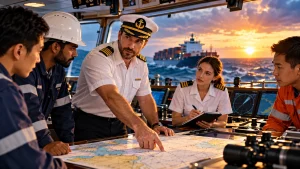
Officers and managers who understand mental health can:
- Support crew members effectively
- Recognize early warning signs
- Foster positive workplace environments
- Improve team performance
Leadership plays a critical role in crew wellbeing.
Challenges Affecting Seafarer Mental Health
Despite growing awareness, several challenges remain:
- Stigma surrounding mental health
- Limited access to professional support
- Long contract durations
- Isolation from family
- Communication barriers
- Work-related stress
Training programs help reduce stigma and encourage proactive support.
Best Practices for Promoting Mental Wellbeing Onboard
Shipping companies can strengthen mental health initiatives by:
Conducting Regular Mental Health Training
Continuous education helps maintain awareness and support.
Encouraging Open Communication
Crew members should feel comfortable discussing wellbeing concerns.
Supporting Work-Life Balance
Proper rest periods and workload management reduce stress and fatigue.
Providing Access to Mental Health Resources
Counseling services and support networks can make a significant difference.
Strengthening Leadership Development
Leaders should be trained to identify and address wellbeing concerns within their teams.
The Future of Mental Health in Maritime Operations
The maritime industry is moving toward a more holistic approach to crew welfare.
Future initiatives will likely focus on:
- Digital wellbeing programs
- Remote psychological support
- Enhanced welfare standards
- Mental health risk assessments
- Human-centered leadership development
As crew wellbeing becomes a strategic priority, Maritime Mental Health Training will continue to play a vital role in maritime safety and operational excellence.
Why Choose Strive High for Maritime Mental Health Training?
At Strive High, we understand that healthy crews are the foundation of safe and successful maritime operations.
Our Maritime Mental Health Training programs help seafarers and maritime professionals:
- Build resilience
- Manage stress effectively
- Support colleagues
- Improve workplace wellbeing
- Strengthen leadership capabilities
Through practical, industry-focused training, Strive High empowers maritime professionals to create safer, healthier, and more productive working environments at sea.
Conclusion
Maritime Mental Health Training is essential for promoting crew welfare, improving safety, and enhancing operational performance across the shipping industry. By investing in mental health awareness and support programs, maritime organizations can build stronger teams, reduce risks, and foster a culture of wellbeing.
As the maritime sector continues to evolve, prioritizing mental health will remain a key factor in creating sustainable and successful shipping operations.