

In today’s fast-paced and high-risk work environments, organizations need more than technical expertise to succeed. They need teams that communicate openly, collaborate effectively, and feel comfortable sharing ideas and concerns without fear of criticism or punishment. This is where Psychological Safety Training plays a critical role.
Psychological safety has become one of the most important factors influencing workplace performance, employee wellbeing, innovation, and safety culture. Whether in maritime operations, corporate environments, healthcare, or industrial sectors, teams perform better when individuals feel respected, valued, and heard.
In this blog, we explore the importance of Psychological Safety Training, its benefits, key principles, and how it helps organizations create stronger, safer, and more resilient teams.
What Is Psychological Safety?
Psychological safety refers to an environment where people feel comfortable:
- Speaking up with ideas
- Asking questions
- Reporting concerns
- Admitting mistakes
- Sharing feedback
- Challenging assumptions respectfully
In psychologically safe workplaces, employees do not fear embarrassment, retaliation, or negative consequences for expressing themselves.
Instead, they feel supported and encouraged to contribute openly.
What Is Psychological Safety Training?
Psychological Safety Training helps employees, leaders, and teams develop the skills needed to create and maintain trust-based workplace environments.
The training focuses on:
- Building trust
- Open communication
- Active listening
- Constructive feedback
- Inclusive leadership
- Conflict management
- Team collaboration
- Emotional intelligence
The goal is to foster a workplace culture where everyone feels safe to participate and contribute.
Why Psychological Safety Matters
Organizations with high levels of psychological safety often experience:
- Better teamwork
- Improved innovation
- Increased employee engagement
- Higher productivity
- Greater workplace safety
- Stronger leadership effectiveness
When employees feel comfortable speaking up, potential problems are identified earlier, reducing risks and improving decision-making.
Key Benefits of Psychological Safety Training
Improved Communication
Effective communication is the foundation of successful teams.
Psychological Safety Training teaches employees how to:
- Share ideas confidently
- Ask questions without hesitation
- Provide constructive feedback
- Participate in discussions openly
Clear communication helps teams solve problems more effectively.
Stronger Team Collaboration
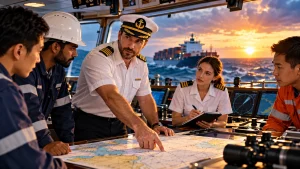
Teams perform better when members trust one another.
Training helps create environments where individuals:
- Respect different perspectives
- Support colleagues
- Work collaboratively
- Share knowledge freely
This leads to stronger teamwork and better results.
Increased Innovation and Creativity
Innovation thrives when people feel safe to express new ideas.
Psychologically safe workplaces encourage employees to:
- Think creatively
- Suggest improvements
- Challenge outdated processes
- Explore new solutions
Organizations benefit from increased adaptability and continuous improvement.
Better Workplace Safety
In high-risk industries such as maritime, aviation, healthcare, and construction, psychological safety directly impacts operational safety.
Employees who feel safe speaking up are more likely to:
- Report hazards
- Raise concerns
- Discuss near misses
- Highlight potential risks
This proactive approach helps prevent incidents before they occur.
Enhanced Employee Wellbeing
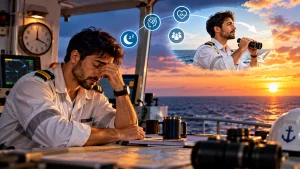
Workplace stress often increases when employees feel unheard or afraid to express concerns.
Psychological Safety Training promotes:
- Respectful communication
- Emotional support
- Reduced workplace anxiety
- Greater job satisfaction
Healthy workplace relationships contribute to overall wellbeing.
Core Elements of Psychological Safety Training
Building Trust
Trust is the foundation of psychological safety.
Training helps teams:
- Develop mutual respect
- Strengthen relationships
- Foster accountability
- Build confidence in leadership
Trust creates an environment where open communication can flourish.
Active Listening Skills
Many workplace conflicts arise from poor listening.
Participants learn how to:
- Listen without judgment
- Show empathy
- Clarify understanding
- Respond constructively
Active listening strengthens relationships and reduces misunderstandings.
Encouraging Open Dialogue
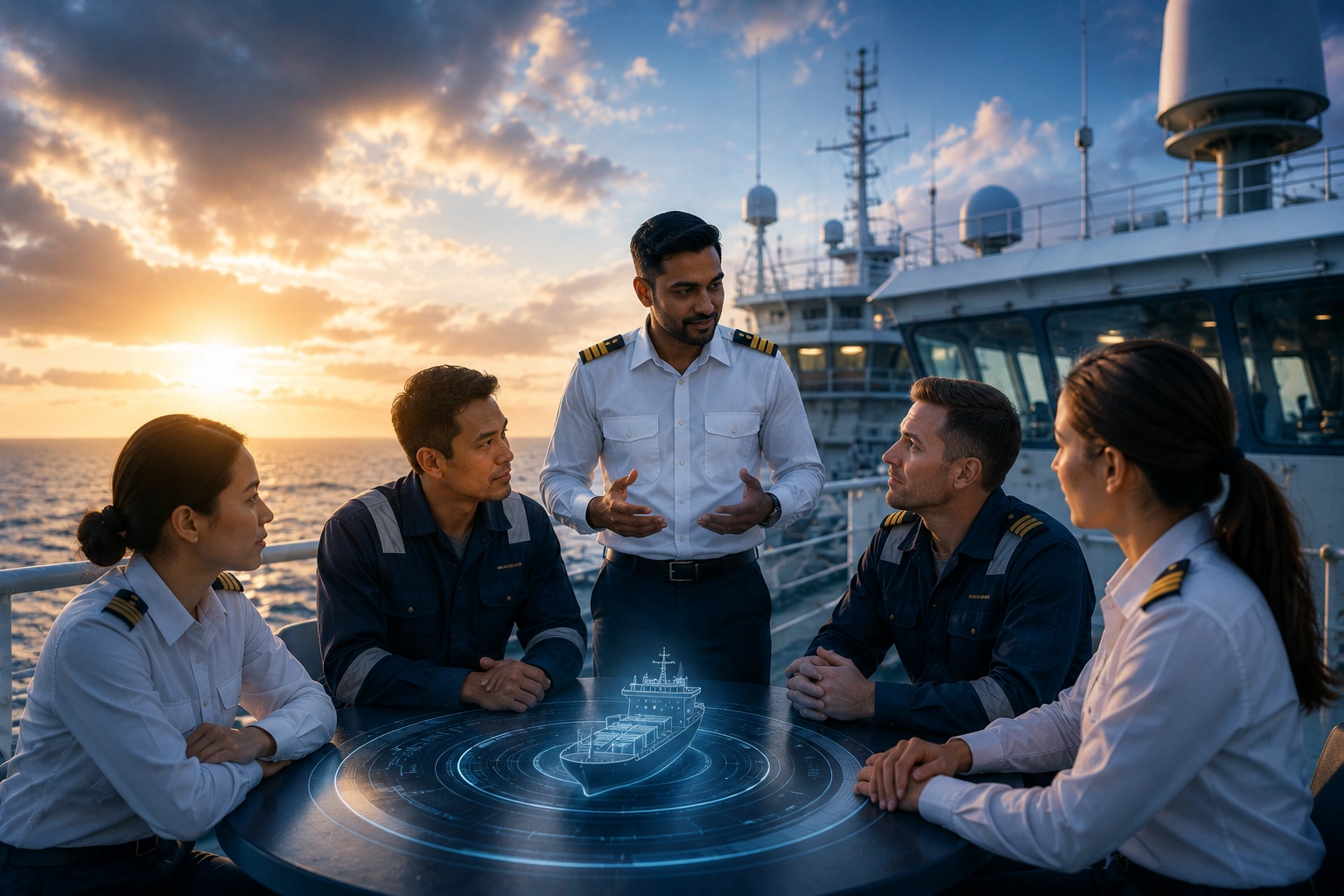
Psychological Safety Training teaches leaders and employees to create opportunities for meaningful conversations.
Open dialogue allows teams to:
- Address concerns early
- Share lessons learned
- Improve collaboration
- Resolve issues effectively
Managing Mistakes Constructively
Mistakes are valuable learning opportunities.
Training encourages organizations to:
- Focus on learning rather than blame
- Analyze root causes
- Promote continuous improvement
- Encourage transparency
This approach strengthens both performance and safety culture.
Inclusive Leadership
Leaders play a critical role in psychological safety.
Training helps leaders:
- Encourage participation
- Value diverse perspectives
- Respond respectfully to concerns
- Support team development
Inclusive leadership builds stronger and more engaged teams.
Psychological Safety in High-Risk Industries
Industries such as maritime, oil and gas, healthcare, aviation, and manufacturing rely heavily on psychological safety.
Employees must feel confident reporting:
- Safety hazards
- Operational concerns
- Human errors
- Process weaknesses
Organizations that prioritize psychological safety often experience fewer incidents and stronger safety performance.
Common Barriers to Psychological Safety
Many workplaces struggle with psychological safety due to:
- Fear of criticism
- Hierarchical structures
- Poor leadership behaviors
- Lack of trust
- Communication gaps
- Cultural differences
Training helps organizations identify and overcome these barriers.
Best Practices for Creating Psychological Safety
Encourage Questions
Leaders should welcome questions and curiosity.
Recognize Contributions
Acknowledging employee input encourages participation.
Respond Respectfully
Every concern or suggestion should be treated seriously.
Promote Learning
Focus on improvement rather than blame when mistakes occur.
Develop Leadership Skills
Managers and supervisors should receive ongoing leadership and communication training.
The Future of Psychological Safety in the Workplace
As organizations become increasingly people-focused, psychological safety will continue to grow in importance.
Future workplace trends include:
- Human-centered leadership
- Employee wellbeing programs
- Inclusive workplace cultures
- Mental health awareness
- Collaborative team development
Organizations that invest in psychological safety will be better positioned to attract talent, improve performance, and foster innovation.
Why Choose Strive High for Psychological Safety Training?
At Strive High, we believe that exceptional performance starts with trust, communication, and strong workplace relationships.
Our Psychological Safety Training programs help organizations:
- Build high-performing teams
- Improve communication
- Strengthen leadership effectiveness
- Enhance workplace safety
- Promote employee wellbeing
Through practical, engaging, and industry-focused learning experiences, Strive High empowers individuals and organizations to create cultures where people can thrive.
Conclusion
Psychological Safety Training is essential for creating workplaces where employees feel confident, respected, and empowered to contribute their best work. By fostering trust, communication, and collaboration, organizations can improve performance, innovation, safety, and employee wellbeing.
As modern workplaces continue to evolve, psychological safety will remain a key driver of organizational success. Investing in Psychological Safety Training today helps build stronger teams, safer environments, and a more resilient future.