

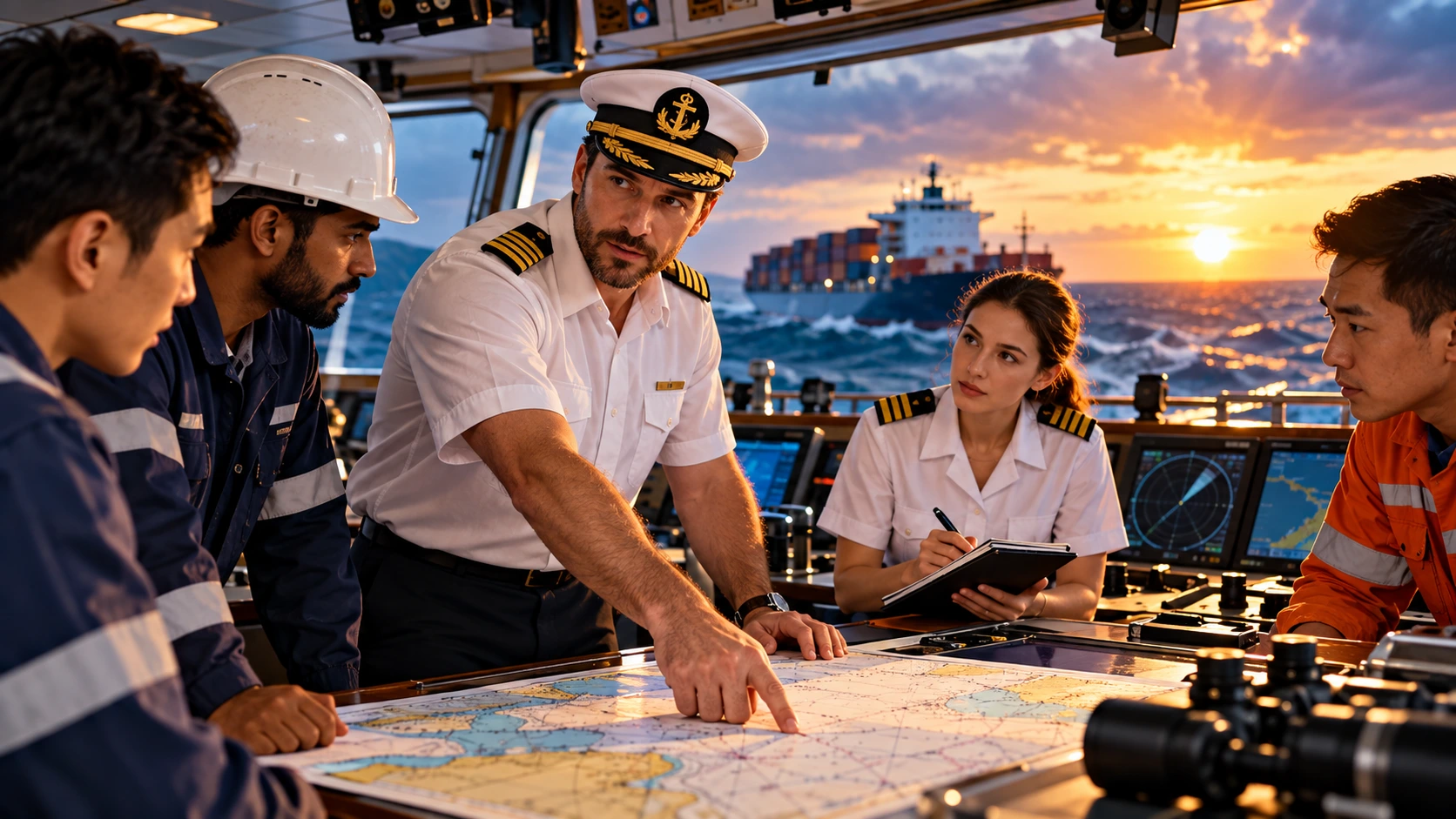
Why Maritime Leadership Is Different
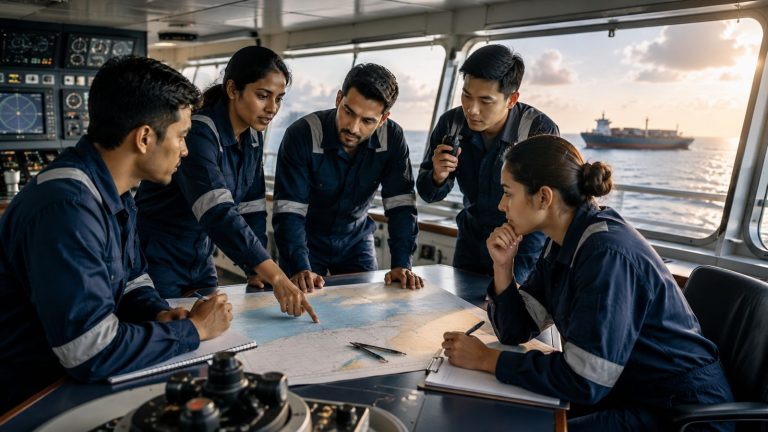
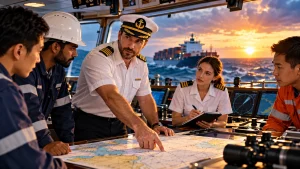
Leading a maritime crew is different from managing a conventional workplace. Officers may need to lead people from different cultures, operate in confined environments and make important decisions while conditions change quickly.
7 Maritime Leadership Challenges Officers Must Navigate
Effective maritime leaders must balance operational priorities with human performance. These are some of the most important challenges leaders encounter when managing crews.
Decision-Making Under Pressure
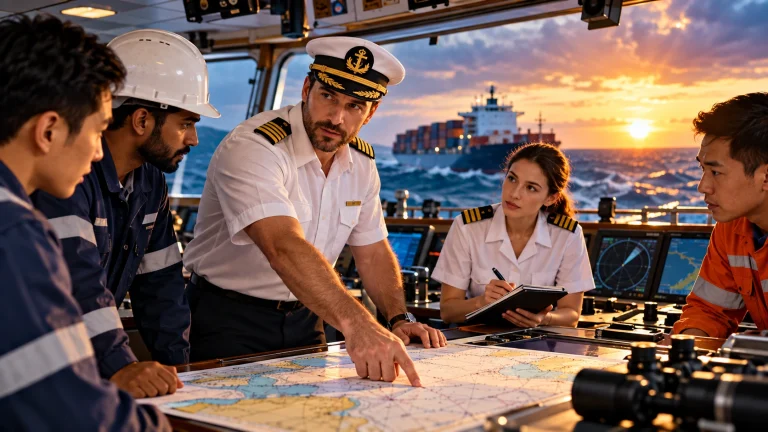
Maritime leaders may need to make decisions with limited time, incomplete information and changing operational conditions. Structured decision-making helps leaders prioritise risks and communicate actions clearly.
Managing Multicultural Crews
Different languages, cultural expectations and communication styles can create misunderstandings. Leaders need cultural awareness, active listening and clear communication practices.
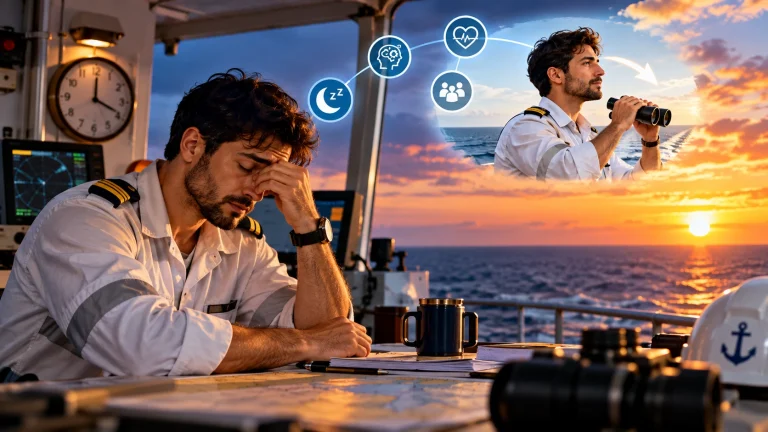
Fatigue, Stress & Workload
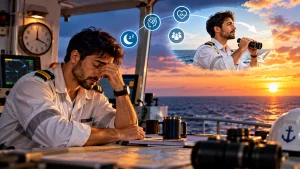
Fatigue and stress can affect attention, communication and decision-making. Leaders need to recognise warning signs and support appropriate fatigue and wellbeing practices.
Crew Conflict
Long periods of working and living together can create interpersonal tension. Effective leaders address conflicts early and maintain professional communication.
Emergency Coordination
During emergencies, communication needs to become structured and purposeful. Leaders must clarify responsibilities and maintain coordination as circumstances change.
Creating a Speak-Up Culture
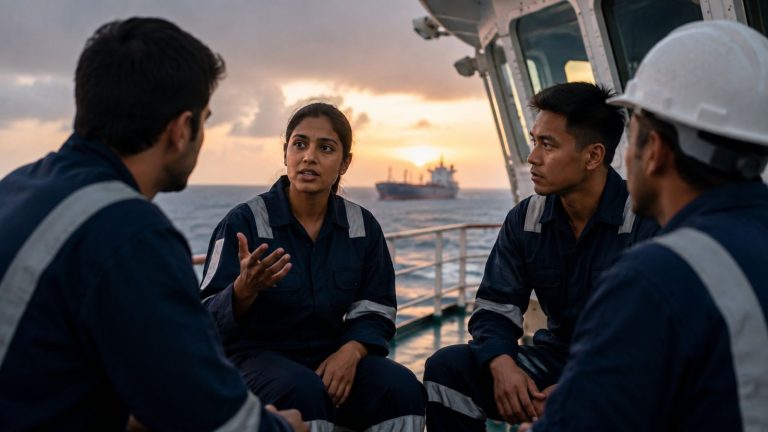
Crew members need to feel able to raise relevant safety concerns. Leaders who listen to operational feedback can strengthen communication and teamwork.
Balancing Authority & Participation
Strong leadership combines clear authority with appropriate team participation. Crew members may have valuable operational knowledge that leaders should consider.
Maintaining Safety Culture
Leaders influence how safety expectations are communicated and followed. Consistent behaviour, feedback and learning can support stronger safety ownership across the crew.
Leadership Is More Than Giving Orders
Technical knowledge is essential in maritime operations, but effective leadership also depends on how people communicate, cooperate and respond to pressure.
A strong maritime leader creates clarity when situations become complicated and helps the crew understand what needs to happen next.
This is why leadership development should include communication, decision-making, human factors, emotional intelligence and teamwork.
LEADERSHIP
How to Lead a Crew During a High-Pressure Situation
A simple leadership process can help officers maintain clarity when operational pressure increases.
Assess
Understand the situation, available information and immediate risks.
Prioritise
Identify the most important safety and operational priorities.
Communicate
Give clear instructions and confirm that responsibilities are understood.
Adapt
Monitor changing conditions and adjust the response when necessary.
Why Communication Is a Core Maritime Leadership Skill
Communication becomes especially important when a maritime team is operating under pressure. Instructions need to be clear, responsibilities need to be understood and relevant information needs to move between team members.
Leaders can strengthen communication by using simple language, confirming understanding, encouraging questions and maintaining feedback during changing situations.
Good maritime leadership creates clarity when pressure creates uncertainty.
Maritime Leadership Checklist
Use these questions as a quick leadership review before or during demanding operations.
How Maritime Leadership Training Can Help
Leadership skills develop through knowledge, practice, feedback and experience. Maritime leadership training can give officers structured opportunities to develop the behavioural capabilities needed to lead effectively.
Training programmes can cover areas such as decision-making, communication, teamwork, conflict management, human factors, emotional intelligence, situational awareness and safety leadership.
Organisations can also connect leadership development with broader crew development programmes and competency-management initiatives.
Maritime Leadership Challenges – FAQs
What are the main maritime leadership challenges?
The main challenges include high-pressure decision-making, multicultural crew management, communication, fatigue and stress, conflict resolution, emergency coordination and maintaining a strong safety culture.
Why is maritime leadership important?
Maritime leadership helps coordinate crew members, communicate priorities, support decision-making and maintain effective teamwork during routine and demanding operations.
What skills should a maritime leader have?
Important skills include communication, decision-making, situational awareness, teamwork, conflict management, emotional intelligence, problem-solving and safety leadership.
How can maritime officers improve leadership skills?
Officers can improve leadership through structured training, scenario-based exercises, coaching, feedback, communication development and continuous professional learning.
How can leaders manage multicultural maritime crews?
Leaders can use clear communication, cultural awareness, active listening, simple language and structured teamwork practices to reduce misunderstandings within multicultural crews.
What is leadership under pressure in maritime operations?
Leadership under pressure involves assessing changing conditions, prioritising risks, communicating clearly, coordinating the crew and adapting decisions when new information becomes available.
Build Stronger Maritime Leaders
Develop leadership capabilities that support better communication, teamwork, decision-making and crew performance in demanding maritime environments.
Explore Strive High’s maritime leadership and crew development solutions.
Explore Maritime Leadership Training →