
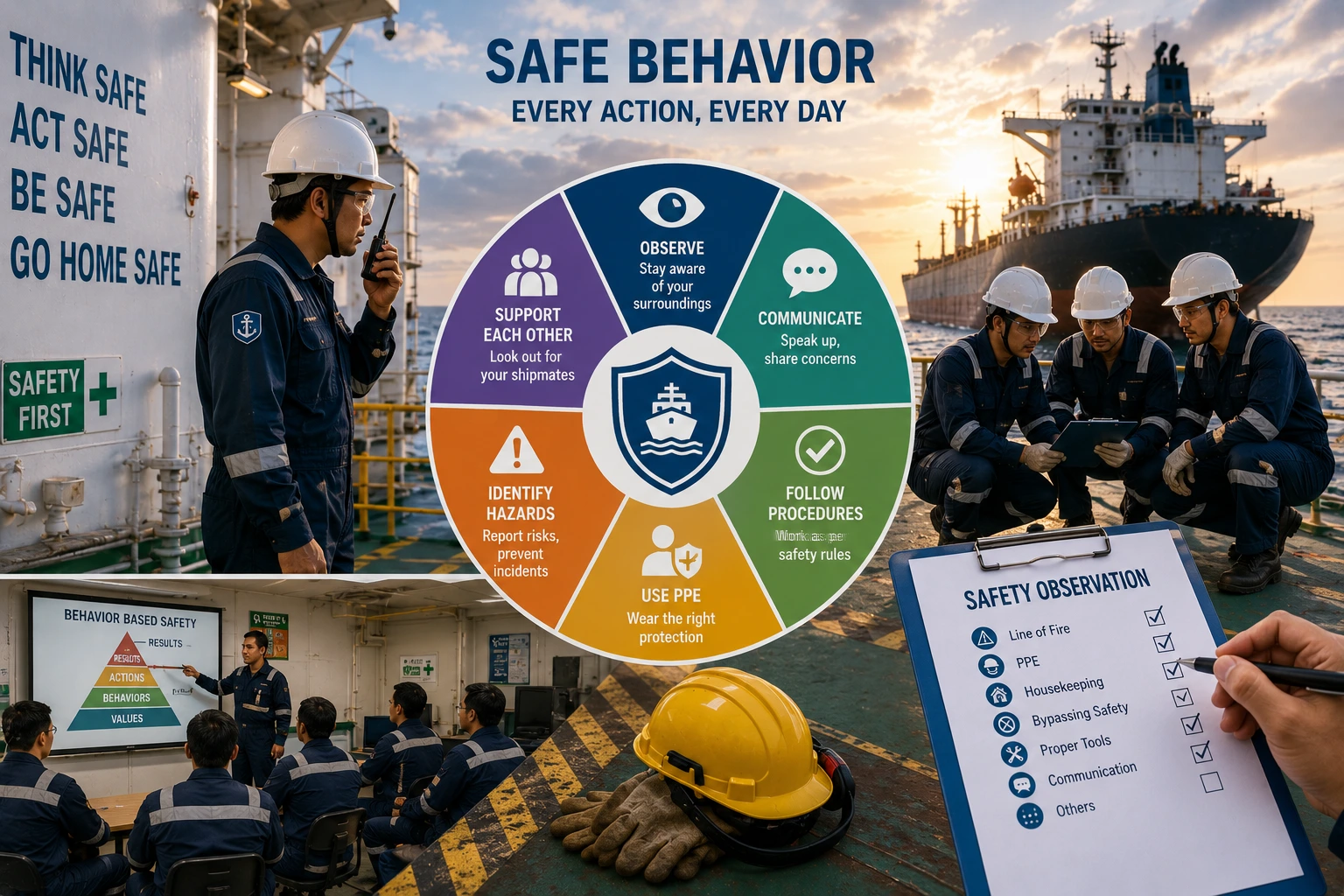
Behaviour Based Safety Training Maritime: Creating a Proactive Safety Culture at Sea | Strive High
Safety has always been a top priority in the maritime industry. Despite advancements in technology, equipment, and regulations, human behavior remains one of the leading factors contributing to workplace incidents and accidents at sea. This is why Behaviour Based Safety Training Maritime programs have become essential for modern shipping companies seeking to improve safety performance and reduce operational risks.
Behaviour-Based Safety (BBS) focuses on identifying, understanding, and improving workplace behaviors that influence safety outcomes. By encouraging positive safety habits and proactive risk awareness, maritime organizations can create a stronger safety culture onboard vessels.
In this blog, we’ll explore the importance of Behaviour Based Safety Training in the maritime industry, its benefits, key components, and how it contributes to safer shipping operations.
What Is Behaviour Based Safety Training Maritime?
Behaviour Based Safety (BBS) Training is a structured approach that focuses on improving workplace safety by influencing human behavior.
Rather than only investigating accidents after they occur, BBS aims to:
- Identify unsafe behaviors
- Reinforce safe work practices
- Improve risk awareness
- Encourage employee participation
- Prevent incidents before they happen
The training helps seafarers understand how everyday actions can impact overall vessel safety.
Why Behaviour Based Safety Is Important in Maritime Operations
The maritime environment presents numerous risks, including:
- Heavy machinery operations
- Working at heights
- Cargo handling activities
- Engine room hazards
- Slips, trips, and falls
- Fire and emergency situations
Research consistently shows that many workplace incidents involve human factors.
Behaviour Based Safety Training helps reduce these risks by promoting safe habits and improving decision-making.
Understanding Human Factors in Maritime Safety
Human factors play a significant role in maritime operations.
Common causes of unsafe behavior include:
- Fatigue
- Stress
- Complacency
- Poor communication
- Lack of situational awareness
- Time pressure
- Inadequate training
BBS training helps crew members recognize these factors and make safer choices in daily operations.
Key Objectives of Behaviour Based Safety Training Maritime
Promoting Safe Behaviors
The primary goal of BBS training is to encourage consistent safe work practices.
Crew members learn to:
- Follow safety procedures
- Use protective equipment correctly
- Report hazards proactively
- Conduct risk assessments
- Maintain situational awareness
Positive behaviors help prevent accidents before they occur.
Identifying Unsafe Actions
Training teaches seafarers how to recognize behaviors that may increase operational risks.
Examples include:
- Ignoring safety procedures
- Taking shortcuts
- Improper equipment use
- Failure to wear PPE
- Poor communication during operations
Awareness is essential for preventing unsafe practices from becoming routine.
Strengthening Safety Culture
A strong safety culture exists when everyone onboard takes responsibility for safety.
Behaviour Based Safety Training encourages:
- Shared accountability
- Open communication
- Peer observation
- Continuous improvement
- Leadership involvement
Safety becomes a daily habit rather than a compliance requirement.
Encouraging Hazard Reporting
Many incidents can be prevented when hazards are reported early.
Training helps crew members understand the importance of:
- Near-miss reporting
- Hazard identification
- Corrective actions
- Continuous monitoring
Proactive reporting contributes to safer working environments.
Core Elements of Behaviour Based Safety Training
Observation and Feedback
One of the key principles of BBS is observation.
Crew members learn how to:
- Observe workplace behaviors
- Identify safe and unsafe actions
- Provide constructive feedback
- Reinforce positive behaviors
Regular feedback promotes continuous improvement.
Risk Awareness
Behaviour Based Safety Training develops stronger risk perception skills.
Participants learn to:
- Identify potential hazards
- Assess risk levels
- Implement control measures
- Make informed safety decisions
Improved risk awareness reduces workplace accidents.
Leadership Engagement
Safety culture starts with leadership.
Officers and supervisors are trained to:
- Lead by example
- Promote safe practices
- Support crew participation
- Conduct safety observations
- Encourage reporting
Visible leadership commitment strengthens overall safety performance.
Communication Skills
Effective communication is essential for safe maritime operations.
Training focuses on:
- Clear instructions
- Active listening
- Team coordination
- Cross-cultural communication
- Safety discussions
Good communication reduces misunderstandings and operational errors.
Benefits of Behaviour Based Safety Training Maritime
Reduced Workplace Incidents
By addressing unsafe behaviors early, companies can significantly reduce accidents and injuries.
Improved Crew Engagement
When seafarers actively participate in safety initiatives, they become more invested in maintaining safe workplaces.
Enhanced Regulatory Compliance
Behaviour Based Safety supports compliance with maritime safety regulations and safety management systems.
Organizations such as the International Maritime Organization emphasize proactive safety management across maritime operations.
Stronger Operational Performance
Safe operations lead to:
- Reduced downtime
- Lower accident costs
- Improved productivity
- Better crew morale
Safety and operational excellence go hand in hand.
Better Decision-Making
Training helps crew members make safer decisions under pressure and during high-risk situations.
Challenges in Implementing Behaviour Based Safety
Some organizations face challenges such as:
- Resistance to change
- Inconsistent leadership support
- Fear of reporting mistakes
- Lack of safety engagement
- Cultural differences among crew members
Successful implementation requires commitment from both management and crew.
Best Practices for Maritime BBS Programs
Conduct Regular Safety Observations
Routine observations help identify improvement opportunities.
Encourage Positive Reinforcement
Recognize and reward safe behaviors whenever possible.
Involve the Entire Crew
Safety should be everyone’s responsibility.
Provide Continuous Training
Regular refresher courses maintain awareness and engagement.
Measure Safety Performance
Track behavioral trends and safety indicators to support continuous improvement.
Future of Behaviour Based Safety in Maritime Industry
The future of maritime safety management will increasingly focus on human performance and behavioral science.
Emerging trends include:
- Digital safety observation systems
- Predictive safety analytics
- Human-factor risk assessments
- Safety leadership development
- AI-assisted safety monitoring
As shipping becomes more technologically advanced, human behavior will remain a critical component of operational safety.
Why Choose Strive High for Behaviour Based Safety Training?
At Strive High, we believe that lasting safety improvements begin with people.
Our Behaviour Based Safety Training Maritime programs help maritime professionals:
- Develop safer work habits
- Improve hazard awareness
- Strengthen safety culture
- Enhance leadership capabilities
- Reduce workplace incidents
Through practical, industry-focused training, Strive High empowers maritime organizations to create safer and more productive working environments.
Conclusion
Behaviour Based Safety Training Maritime is a powerful tool for improving safety performance, reducing incidents, and building a proactive safety culture at sea. By focusing on human behavior, communication, and risk awareness, shipping companies can strengthen both crew wellbeing and operational efficiency.
As the maritime industry continues to evolve, investing in Behaviour Based Safety Training will remain essential for creating safer vessels, stronger teams, and sustainable maritime operations.